 111
111 2
2 3
3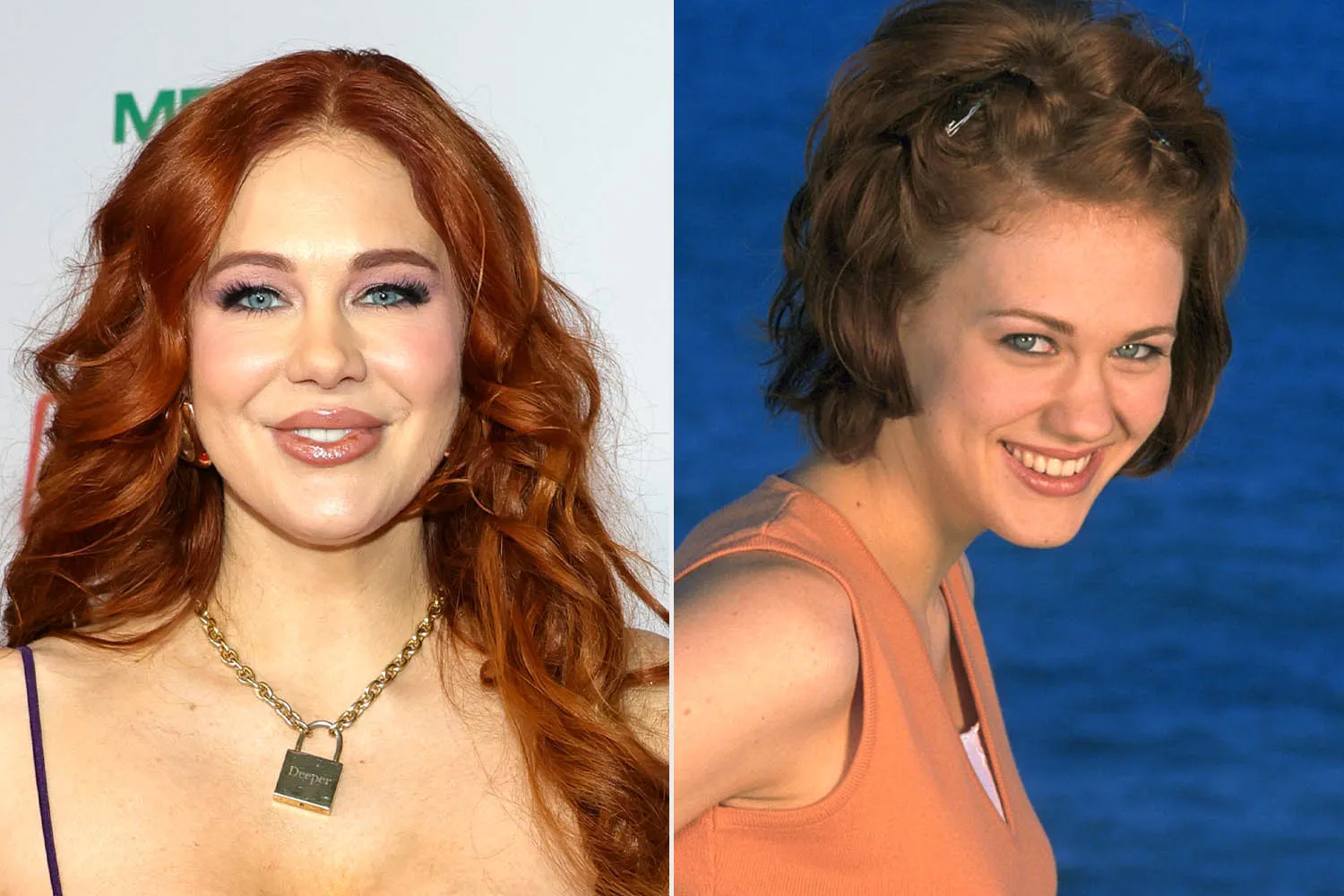
In the volatile entertainment landscape of 2026, the transition of celebrities from traditional screens to subscription-based digital platforms is no longer a novelty. However, recent candid remarks from Maitland Ward—the star once beloved by millions of Millennials as Rachel McGuire on the 90s staple Boy Meets World—have sparked a fierce debate over the true value of an actor within the Hollywood “machine.”
At LocalPaperDaily.com, we have closely monitored the rise of the Creator Economy. Ward’s direct comparison between her salary at Disney/ABC and her current earnings on OnlyFans offers more than just shocking numbers; it serves as a stark indictment of a system where actors are treated as a “product to be sold” rather than a creative partner.
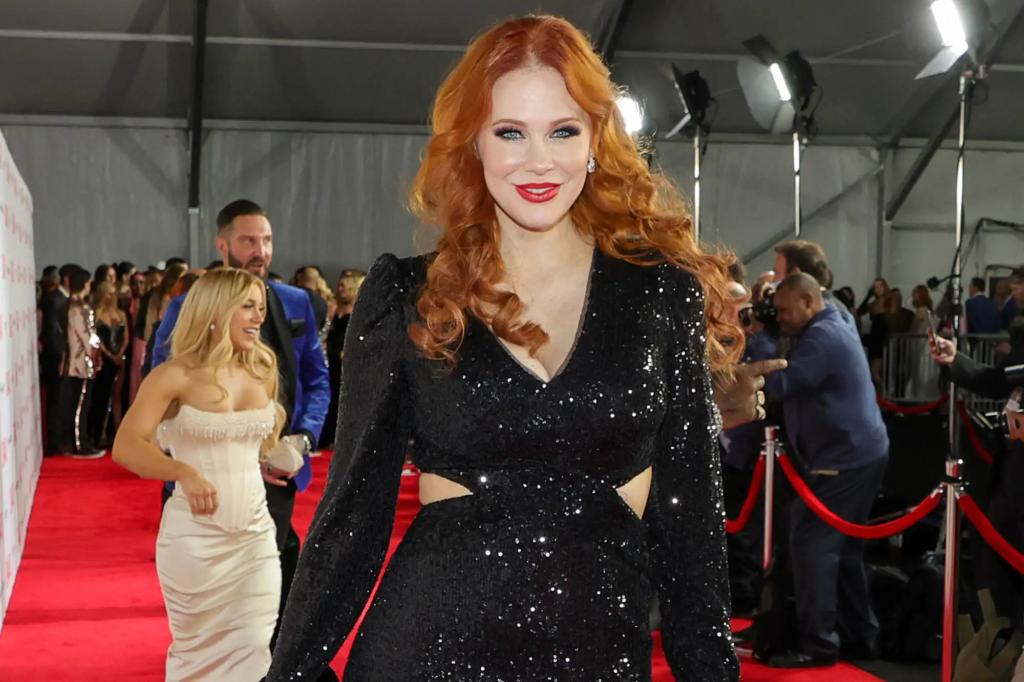
The Hollywood Machine: When Actors Are “Temporary Assets”
Looking back at the 1990s and early 2000s, being a series regular on a hit network sitcom was viewed as the pinnacle of professional success. Yet, according to Ward, the reality behind the glitz was a state of financial and creative confinement.
Ward explains that within the legacy network TV system, actors are often trapped in contracts where the massive dividends from global advertising and international syndication flow almost exclusively into studio coffers. While “A-list” stars might negotiate lucrative “back-end” deals, mid-tier regulars often find their salaries stagnant while their residual checks (payments for re-broadcasts) dwindle to pennies over time.
“You were just a product being sold to advertisers,” Ward stated. She emphasizes that under the thumb of major media conglomerates, an actor’s control over their image and personal brand equity is virtually non-existent. They are expected to maintain a “studio-approved” persona, receiving very little in return once the show concludes and the corporate machine moves on to the next trend.
The Digital Pivot: Autonomy and Financial Liberation
The greatest shock for the public isn’t necessarily Ward’s career change, but the sheer scale of the financial delta. The actress has been transparent in admitting that her earnings in a single month on her current platform frequently eclipse the total amount she earned during her entire multi-year run on Boy Meets World.
From a media analyst’s perspective, this is a textbook case of Disintermediation (removing the middleman). By pivoting to a platform where she retains 80% of her net revenue, Ward has bypassed the traditional “gatekeeper” ecosystem—agents, managers, and studio executives who historically take anywhere from 30% to 50% of an actor’s value.
On her new platform, Ward isn’t playing a character owned by a corporation; she is Maitland Ward—the CEO of her own brand. She owns her “Master Recordings,” a level of intellectual property ownership that Hollywood actors rarely, if ever, achieve.
The “Actor-as-Creator” Trend in 2026
Ward’s insights come at a pivotal moment for the American entertainment industry. Following the historic strikes of the past few years, many performers have realized that traditional residual income from streaming has become a “dead asset.”
Compared to the legacy model, the Creator Economy offers several superior advantages that modern actors are beginning to crave:
True Ownership: Instead of belonging to a studio, all content remains the personal intellectual property of the creator.
Recurring Revenue: Instead of waiting for unpredictable residual checks, creators enjoy consistent monthly subscription revenue from their core fanbase.
Creative Flexibility: No longer bound by network censors or production schedules, they dictate the narrative and pace of their own work.
The Cost of “Respect” and Financial Sovereignty
Perhaps the most poignant aspect of Ward’s analysis is her lack of regret regarding “Hollywood respectability.” She argues that the respect offered by the studio system was often conditional and financially restrictive.
“They want you to stay in this little box so they can easily sell you,” Ward noted. By breaking out of that box, she may have sacrificed the possibility of a traditional Hollywood comeback, but she gained a level of Financial Sovereignty that 99% of SAG-AFTRA members will never reach.
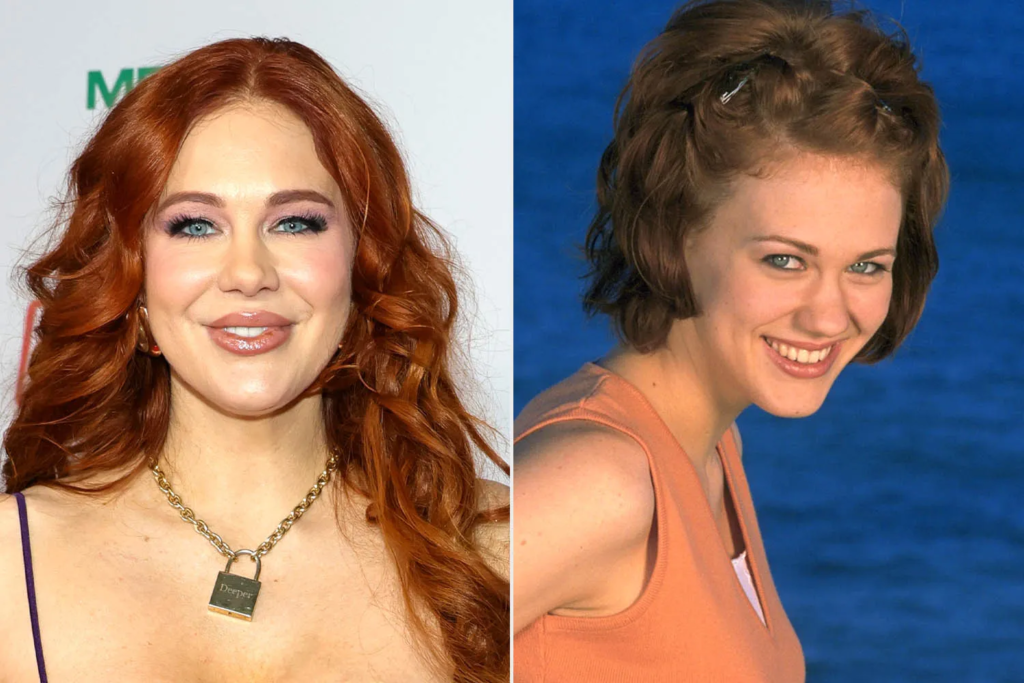
Final Audit: The Future of Celebrity Equity
Maitland Ward’s journey is a masterclass in Market Adaptation. She recognized that the nostalgia for her role as “Rachel McGuire” had a shelf life in a corporate environment that was no longer willing to pay a premium for it. By moving to a space where she could directly monetize her persona, she transformed “nostalgia” into “liquid capital.”
At LocalPaperDaily.com, we view this as a significant shift in the labor dynamics of the entertainment world. Ward is a pioneer of a new celebrity business model—one where the “Product” finally owns the “Factory.”
As we move deeper into 2026, expect more household names to echo Ward’s sentiments. The era of being a “sold product” is fading; the era of the “Sovereign Creator” has officially begun.