The Sleep Audit: What 30 Days of Oura Ring and Apple Watch Data Revealed After Cutting Blue Light After 8 PM
Like many Americans, I believed my sleep was “good enough.”
I usually slept seven hours.
I wasn’t constantly exhausted.
I functioned normally at work.
So I assumed everything was fine.
Then I started reviewing data from my wearable devices.
The numbers told a different story.
Although I was spending enough time in bed, my sleep quality wasn’t nearly as good as I thought.
Frequent awakenings.
Long sleep latency.
Inconsistent deep sleep.
Elevated resting heart rate.
None of these problems felt dramatic individually.
Together, they painted a clear picture.
My sleep could be much better.
The Experiment
For thirty days, I tracked sleep using wearable technology.
The goal was simple:
Evaluate whether reducing blue-light exposure after 8 PM would create measurable improvements.
The experiment was divided into two phases.
Phase One (Days 1–15)
Normal routine.
Television after dinner.
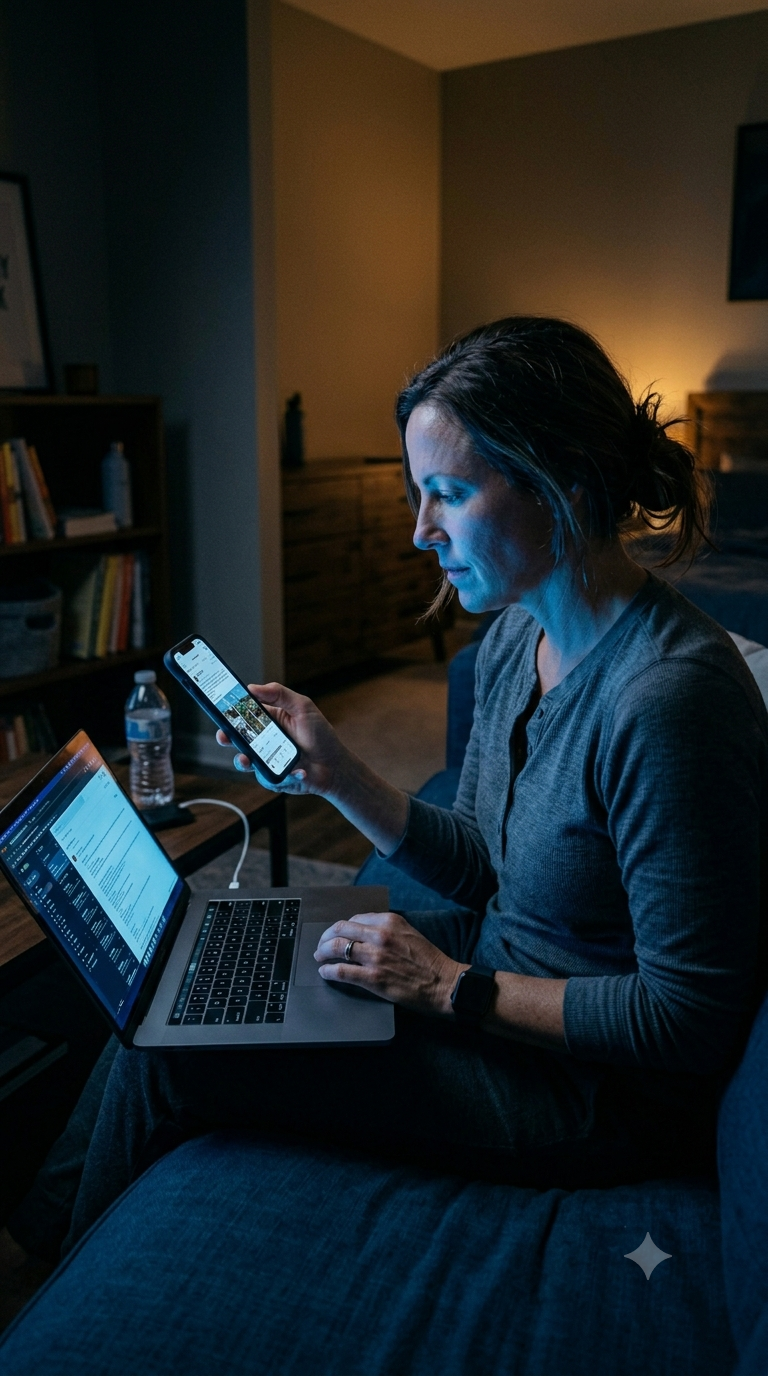
Phone use before bed.
Occasional laptop work.
Social media scrolling.
No restrictions.
Phase Two (Days 16–30)
No phone screens after 8 PM.
No tablet use.
No television.
No laptop.
Instead:
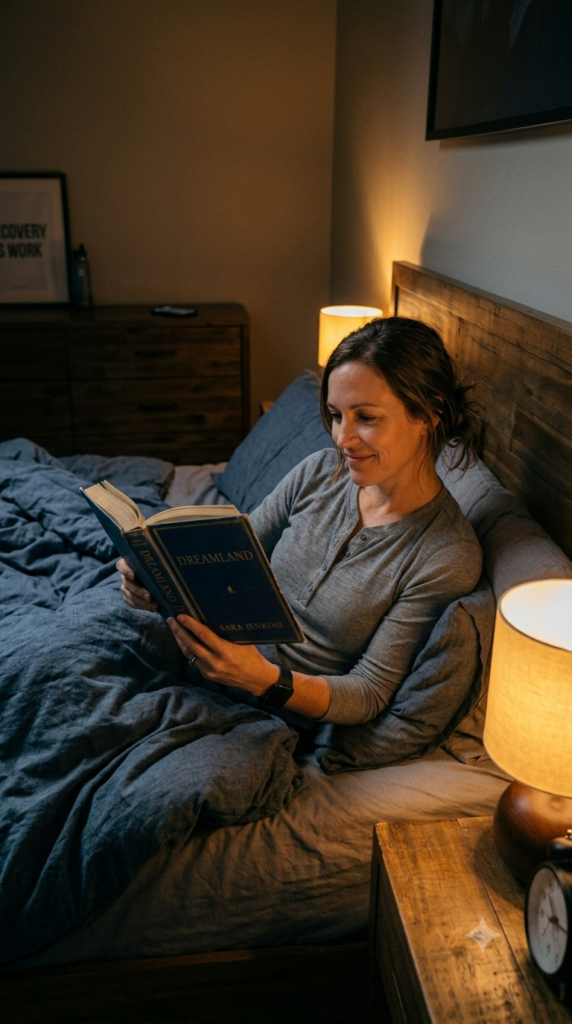
Reading printed books.
Light stretching.
Conversation.
Planning the next day.
The sleep environment remained unchanged.
Bedtime remained consistent.
Wake time remained consistent.
Only evening light exposure changed.
What The Devices Measured
Both wearable devices tracked multiple sleep metrics:
Total sleep duration.
Sleep latency (time required to fall asleep).
Deep sleep duration.
REM sleep.
Resting heart rate.
Heart rate variability (HRV).
Nighttime awakenings.
Sleep efficiency.
Rather than focusing on a single metric, the goal was to identify overall patterns.
The First Change Appeared Faster Than Expected
Within the first week of reducing evening screen exposure, one metric improved almost immediately:
Sleep latency.
Previously, it often took twenty to thirty minutes to fall asleep.
During the second phase, sleep onset frequently occurred within ten to fifteen minutes.
The difference felt noticeable.
Instead of lying awake waiting for sleep, it arrived naturally.
Deep Sleep Increased
One of the most interesting findings involved deep sleep.
The wearable devices consistently recorded longer periods of restorative sleep during the second half of the experiment.
The increase wasn’t dramatic every night.
But the overall trend remained consistent.
More deep sleep often translated into feeling more refreshed the following morning.
Even on days with identical total sleep duration.
Resting Heart Rate Improved
The data also showed a modest decline in average nighttime resting heart rate.
Sleep researchers often view lower overnight heart rates as a sign of improved recovery and relaxation.
The reduction wasn’t massive.
But it appeared repeatedly enough to suggest a meaningful relationship.
The Surprising Impact On Morning Energy
Perhaps the most important outcome wasn’t visible in the data.
It was visible in daily life.
Morning grogginess decreased.
The urge to hit the snooze button became less frequent.
Mental clarity improved during the first hours of the day.
Interestingly, total sleep duration changed very little.
The quality of sleep improved more than the quantity.
Why Blue Light Matters
Blue light affects the body’s production of melatonin.
Melatonin is a hormone that helps regulate sleep timing.
Bright screens in the evening can signal to the brain that it is still daytime.
As a result, natural sleep signals may arrive later than intended.
This doesn’t mean screens are inherently harmful.
It means timing matters.
The closer exposure occurs to bedtime, the greater the potential impact.
The Unexpected Challenge
The hardest part of the experiment wasn’t sleeping.
It was changing evening habits.
Many people underestimate how automatic screen use becomes.
Checking notifications.
Watching videos.
Reading news.
Scrolling social media.
These behaviors fill countless small moments throughout the evening.
Replacing them required conscious effort.
But after several days, the new routine began feeling normal.
Small Changes Produced Measurable Results
One lesson became obvious.
Sleep quality does not always require expensive solutions.
No supplements were added.
No special mattresses were purchased.
No complicated biohacking techniques were used.
One behavior changed.
Screen exposure ended earlier.
And measurable improvements followed.

What The Data Suggests
This was not a scientific clinical trial.
It was a personal experiment.
Results will vary between individuals.
Some people may experience larger improvements.
Others may notice smaller changes.
But the data supports what many sleep researchers have suggested for years:
Evening light exposure influences sleep quality.
And reducing blue light after 8 PM may improve multiple recovery metrics simultaneously.
The Final Verdict
The most surprising discovery wasn’t that sleep improved.
It was how little effort the change required.
Many health interventions demand significant time, money, or discipline.
This one simply required turning off a screen.
Thirty days later, the wearable data told a clear story.
Faster sleep onset.
Better deep sleep.
Lower resting heart rate.
Improved morning energy.
Not perfection.
But measurable progress.
And sometimes, the simplest habits create the biggest improvements.