


The Anti-Inflammatory Kitchen: The Local Foods Americans Are Using to Fight Inflammation Naturally in 2026
A few years ago, I rarely thought about inflammation.
Like many Americans, I associated inflammation with injuries, swollen joints, or recovery after exercise.
But modern research has changed that understanding.
Today, scientists increasingly recognize chronic low-grade inflammation as one of the hidden factors connected to heart disease, diabetes, obesity, arthritis, cognitive decline, and many other long-term health concerns.
The surprising part?
Many of the most powerful anti-inflammatory tools aren’t found in pharmacies.
They’re sitting in our kitchens.
The Hidden Problem Most People Don’t Feel
Unlike an obvious injury, chronic inflammation often develops quietly.
There may be no obvious warning signs.
Instead, people notice symptoms such as:
Persistent fatigue.
Brain fog.
Joint discomfort.
Poor recovery after exercise.
Digestive issues.
Difficulty maintaining healthy weight.
While inflammation itself is a normal protective response, problems arise when the body remains in a constant state of low-level inflammatory activity.
This is where nutrition becomes incredibly important.
The Foods Scientists Continue to Study
In 2026, nutrition researchers continue to focus on several foods consistently associated with lower inflammatory markers.
Many of these ingredients are inexpensive, widely available, and already found in grocery stores across America.
Turmeric: The Golden Spice
Turmeric remains one of the most researched anti-inflammatory foods in the world.
Its active compound, curcumin, has been extensively studied for its ability to influence inflammatory pathways inside the body.
Many Americans now add turmeric to:
Soups.
Rice dishes.
Smoothies.
Roasted vegetables.
Golden milk beverages.
Although turmeric alone is not a miracle cure, regular consumption as part of a balanced diet continues to attract scientific attention.
Ginger: A Traditional Remedy Supported by Modern Science
Ginger has been used for centuries, but modern research increasingly supports many of its traditional uses.
People commonly consume ginger to support:
Digestive health.
Exercise recovery.
Joint comfort.
Immune function.
Fresh ginger tea has become especially popular among Americans looking for simple daily wellness habits.
Many people report feeling less bloated and more energized after incorporating ginger regularly into meals.
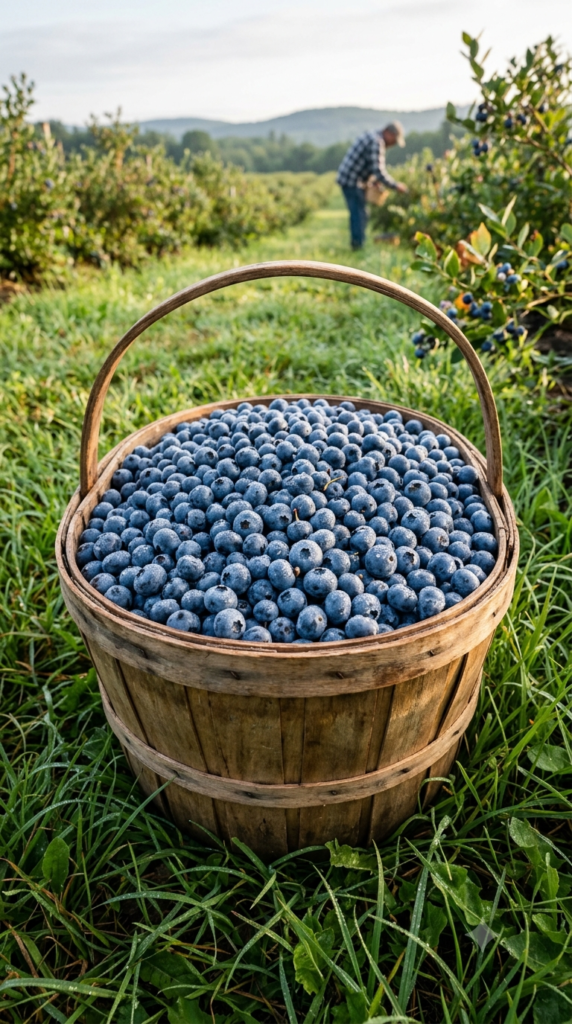
Blueberries: America’s Native Superfruit
Few foods receive as much praise from nutrition researchers as blueberries.
Native to North America, blueberries contain powerful antioxidants known as anthocyanins.
These natural compounds help protect cells from oxidative stress, one of the major contributors to inflammation.
Many families now keep frozen blueberries on hand year-round because they are:
Affordable.
Convenient.
Nutrient-dense.
Easy to add to breakfasts and snacks.
Leafy Greens Continue to Dominate
Nutrition experts consistently rank leafy greens among the healthiest foods available.
Kale.
Spinach.
Collard greens.
Swiss chard.
These vegetables provide vitamins, minerals, fiber, and plant compounds associated with reduced inflammatory activity.
One common pattern appears repeatedly in dietary studies:
People who regularly consume large amounts of vegetables tend to show better long-term health outcomes.
Wild Salmon and Omega-3 Fatty Acids
Americans living in coastal regions have long benefited from seafood-rich diets.
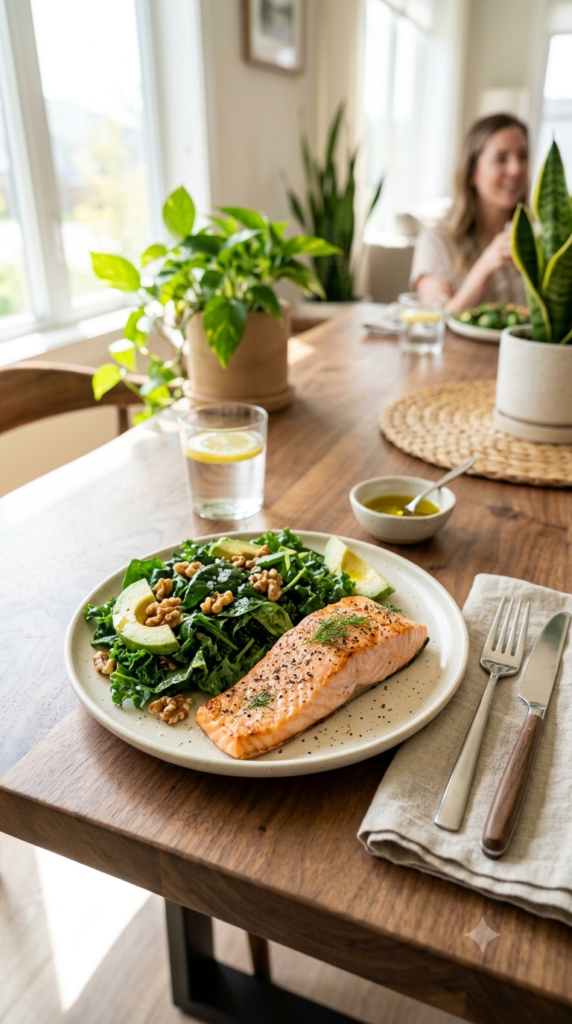
Wild salmon remains one of the most recommended foods for reducing inflammation.
The reason is simple:
Omega-3 fatty acids.
These healthy fats help balance inflammatory responses throughout the body and support cardiovascular health.
Many dietitians continue recommending fish consumption several times per week when possible.
Walnuts: Small But Powerful
Walnuts have become a staple in many health-conscious households.
Unlike highly processed snack foods, walnuts provide:
Healthy fats.
Plant-based omega-3s.
Fiber.
Protein.
Research suggests regular nut consumption may support healthier inflammatory profiles and improved heart health.
Extra Virgin Olive Oil: The Mediterranean Secret
One dietary pattern continues outperforming many others in long-term health research:
The Mediterranean diet.
A major reason is extra virgin olive oil.
Rich in polyphenols and healthy fats, olive oil has been linked to lower inflammatory markers and improved cardiovascular outcomes.
Many Americans have started replacing heavily processed cooking oils with olive oil for everyday meal preparation.
What an Anti-Inflammatory Day Looks Like
A practical anti-inflammatory eating plan does not require expensive supplements.
Breakfast might include:
Greek yogurt with blueberries and walnuts.
Lunch could feature:
A large salad with leafy greens, salmon, olive oil, and vegetables.
Dinner may include:
Roasted vegetables seasoned with turmeric and ginger alongside lean protein.
The approach is simple:
Eat more real food.
Eat fewer highly processed foods.
Consistency matters far more than perfection.
What Changed After 60 Days
After gradually increasing these foods, I noticed several subtle improvements.

Energy levels became more stable.
Afternoon fatigue decreased.
Digestive comfort improved.
Recovery after exercise felt easier.
Most importantly, the changes felt sustainable.
There were no extreme restrictions.
No expensive products.
No complicated meal plans.
Just better food choices repeated consistently.
The Kitchen as Preventive Medicine
Modern medicine remains essential.
But nutrition continues proving itself as one of the most powerful daily influences on long-term health.
The foods we eat every day quietly affect inflammation, energy, recovery, and overall well-being.
No single ingredient can eliminate disease.
No superfood can solve every problem.
Yet the cumulative effect of healthier choices can be remarkable.
Sometimes the path toward better health begins not in a hospital or pharmacy.
But in a kitchen filled with simple foods that people have been eating for generations.