 111
111 2
2 3
3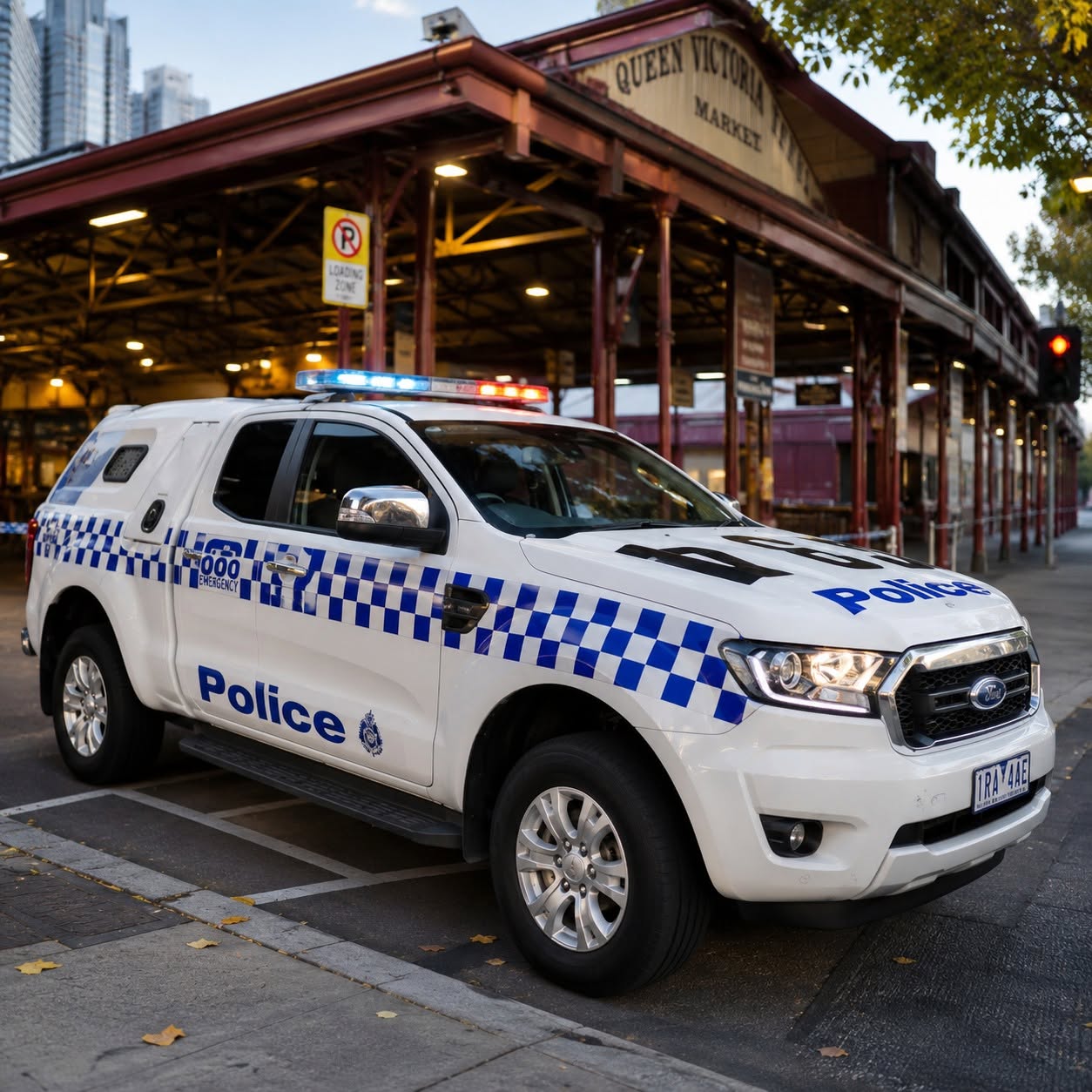
A teenager has been charged after an alleged attempted carjacking involving a machete at a Victorian shopping centre, adding fresh momentum to an increasingly heated debate about youth crime and community safety.
The incident has attracted widespread attention because it touches on an issue that many Australians are discussing with growing concern.
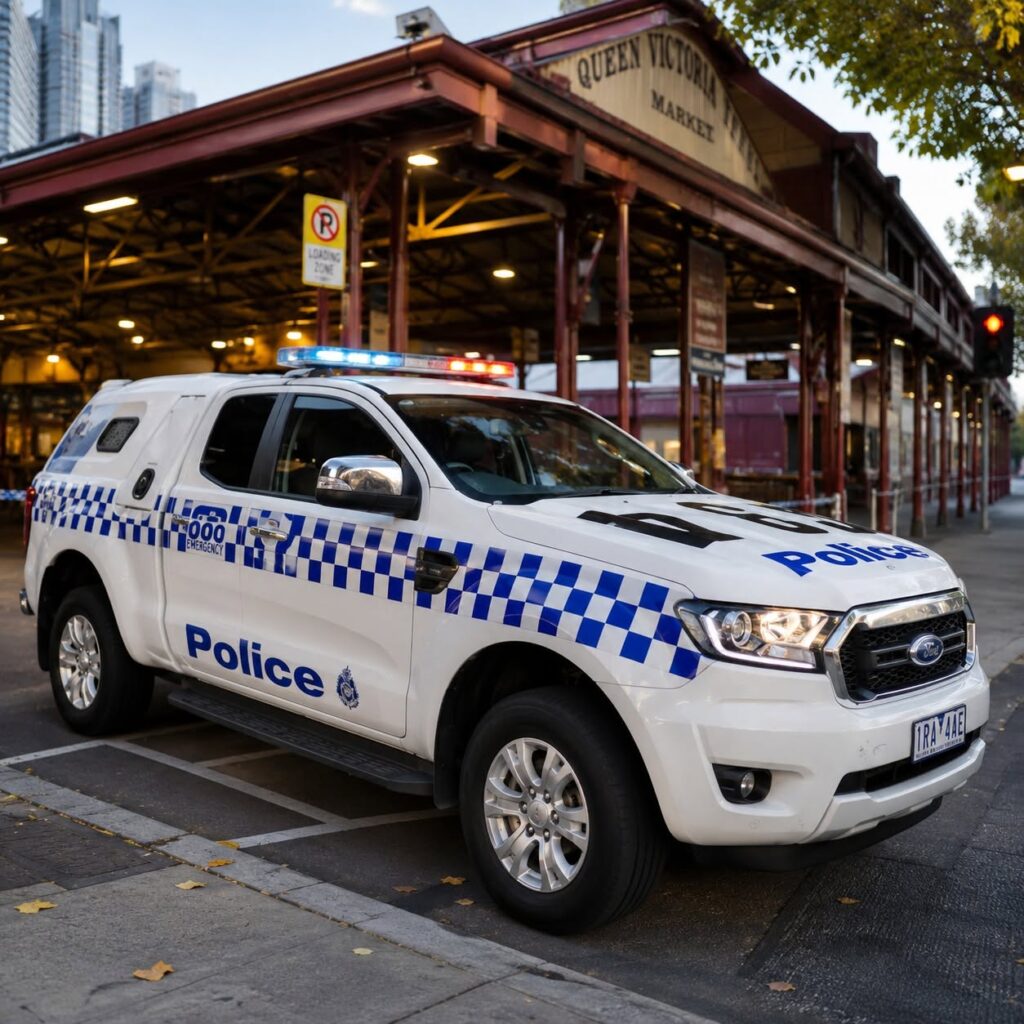
For families, shoppers and local business owners, incidents involving weapons in public places can quickly undermine confidence and create a sense of unease within the community.
According to police allegations, a teenage boy approached a woman in a shopping centre car park, threatened her with a machete and attempted to take control of her vehicle before members of the public intervened and the situation was brought under control. The teenager has since been charged and is expected to face court proceedings.
While the legal process will determine the outcome of the case, the incident has already reignited broader concerns about violent offending involving young people.
Many Victorians have become increasingly focused on public safety following a series of highly publicised incidents involving knives and machetes in recent years.
The concern is not simply about crime statistics.
It is about the visibility of these incidents and the impact they have on public confidence.
Shopping centres are traditionally viewed as family-friendly spaces where people should feel safe carrying out everyday activities.
When violent incidents occur in these locations, the psychological impact often extends well beyond those directly involved.
Parents begin asking questions about safety.
Retailers worry about customer confidence.
Local communities demand stronger action from authorities.
The discussion has become particularly intense in Victoria because several high-profile incidents involving machetes have received significant public attention over the past two years.
These events have fuelled calls for tougher enforcement measures, stronger penalties and additional powers for police. Concerns surrounding machete-related violence have already contributed to legislative and policy responses aimed at restricting access to such weapons.
Supporters of tougher measures argue that highly visible crimes involving weapons can have consequences far beyond the immediate victims.
They point to declining public confidence and growing anxiety among families who simply want to feel safe in public spaces.
Others argue that enforcement alone cannot solve the problem.
They believe long-term solutions must also address the social and economic factors that contribute to youth offending.
These include educational disengagement, family instability, substance abuse, peer influence and limited employment opportunities.
The challenge for policymakers is balancing immediate public safety concerns with long-term prevention strategies.
Communities often demand swift action after serious incidents.
At the same time, governments face pressure to reduce offending before crimes occur in the first place.
The issue also has significant economic implications.
Retail precincts and shopping centres depend on consumers feeling comfortable visiting and spending time in those locations.
When violent incidents attract headlines, businesses can be affected by reduced foot traffic and changing public perceptions.
Insurance costs, security expenses and operational challenges can also increase.
For local retailers already dealing with cost-of-living pressures and cautious consumer spending, safety concerns create another layer of uncertainty.
Community leaders frequently argue that safe public spaces are essential for both economic activity and social cohesion.
The conversation surrounding youth crime has become increasingly political because it intersects with broader concerns about justice, policing and government priorities.
Voters often expect visible action when incidents involve weapons, particularly when they occur in places used by families and children.
That expectation places pressure on governments to demonstrate that public safety remains a priority.
At the same time, legal experts continue to emphasise the importance of due process.
Allegations must be tested in court, evidence must be examined and legal outcomes must be determined through the justice system rather than public opinion.
This principle remains fundamental regardless of the seriousness of the allegations.
The latest case arrives at a time when Australians are increasingly focused on community safety issues.
People want confidence that shopping centres, transport hubs and public spaces remain secure environments for families.
They also want assurance that authorities have effective strategies for addressing repeat offending and preventing violent incidents before they occur.
Whether through stronger laws, greater police resources, prevention programs or a combination of approaches, the pressure on governments to respond is unlikely to ease.
For many Victorians, the latest alleged carjacking attempt is not being viewed as an isolated event.
Instead, it has become part of a wider conversation about safety, accountability and the type of community Australians want to build in the years ahead