
Remote Work: Which Coworking Spaces Offer the Best Air Quality and Natural Light for Better Mental Health?
When I first started working remotely, I assumed productivity depended almost entirely on my laptop, internet connection, and coffee.
I couldn’t have been more wrong.
After nearly two years of working from home, I noticed something changing.
Some days I felt energetic and focused.
Other days I became mentally exhausted before lunch, even though my workload hadn’t changed.
The biggest difference wasn’t the work itself.
It was the environment.
That realization led me to spend four weeks testing different coworking spaces across several American cities.
Rather than choosing offices based on appearance or price, I evaluated something different.
Natural daylight.
Indoor air quality.
Noise levels.
Green spaces.
Ventilation.
And how I actually felt after working there for an entire day.
The results completely changed the way I think about remote work.
The First Workspace
The first coworking office looked impressive online.
Modern furniture.
Large monitors.
Luxury coffee machines.
Private booths.
Everything appeared perfect.
Yet after only three hours, I noticed dry eyes, frequent yawning, and a mild headache.
The office had almost no windows.
Artificial lighting stayed constant throughout the day.
The ventilation system felt weak, and the air quickly became stale as more people arrived.
By late afternoon, concentrating became noticeably harder.
The Second Location
A few days later, I worked from another coworking space located inside a renovated brick warehouse.
The difference was immediate.
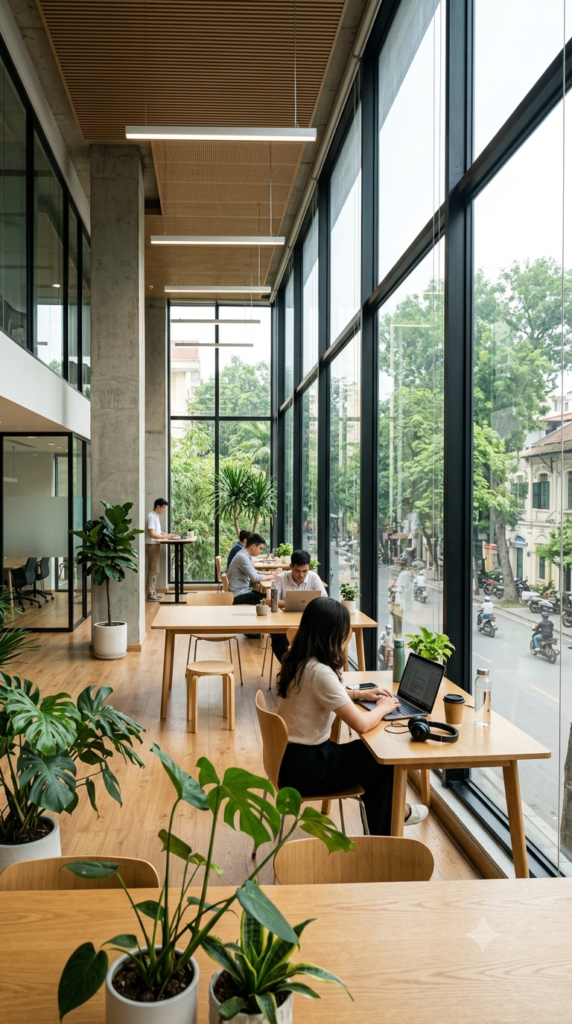
Floor-to-ceiling windows allowed sunlight to fill nearly every corner.
Indoor plants surrounded many of the workstations.
Fresh air circulated continuously through an advanced ventilation system.
Instead of feeling trapped indoors, the office felt connected to the outside world.
Even after six hours of focused work, I noticed far less mental fatigue.
Small Environmental Details Matter
Over four weeks, I began tracking simple observations.
How often I stood up.
How many headaches I experienced.
How long I maintained deep focus.
How tired I felt after work.
Certain patterns became impossible to ignore.
Spaces with abundant daylight consistently improved my mood.
Rooms with clean air made long writing sessions easier.
Moderate background conversation felt less distracting than complete silence or constant noise.
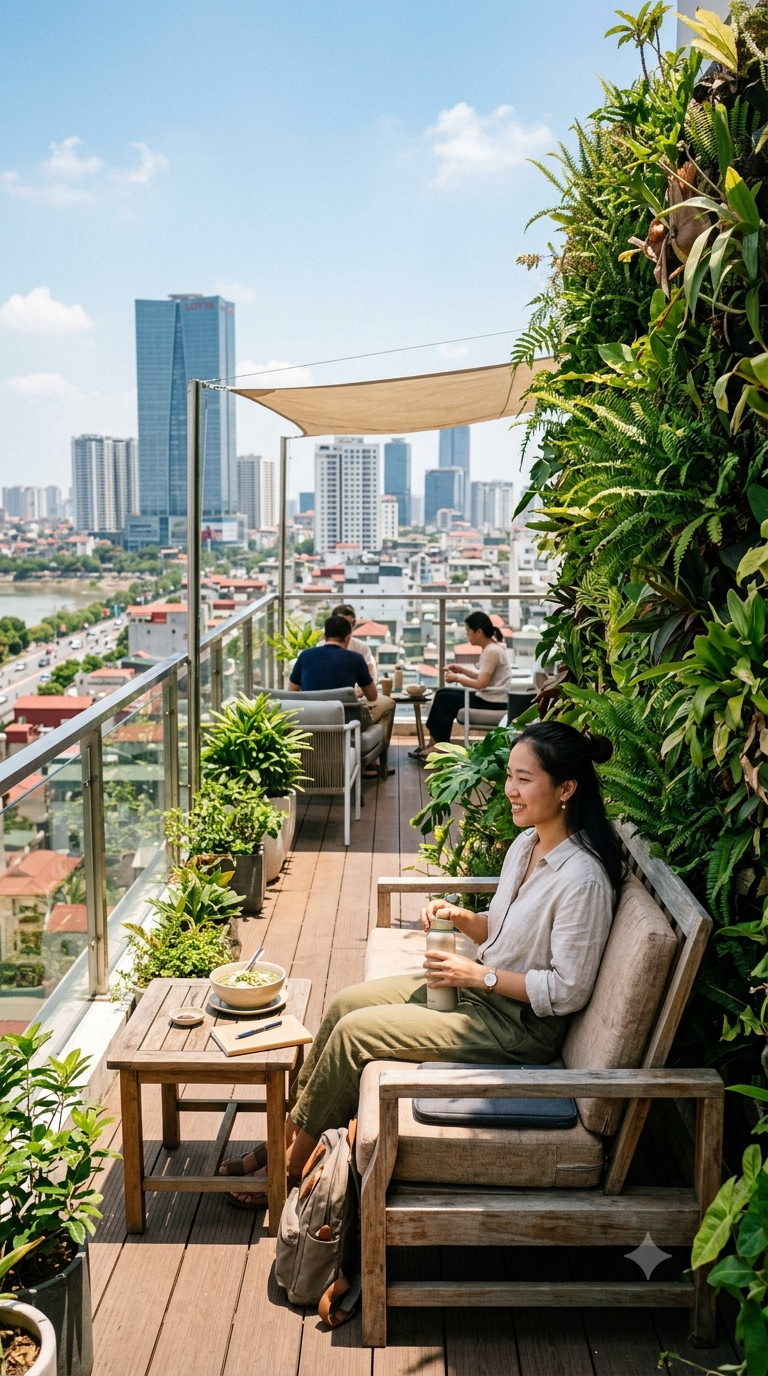
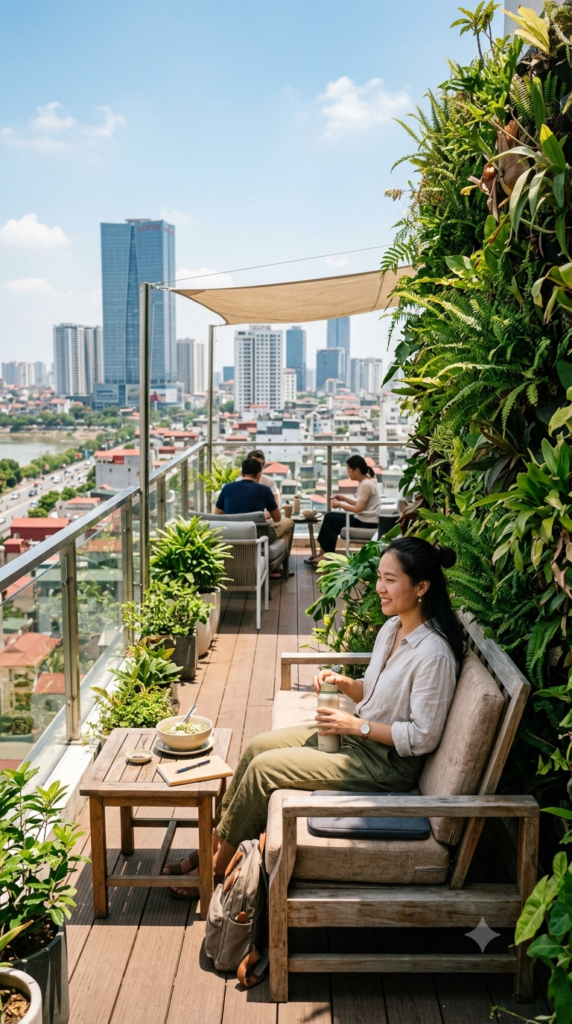
Even small outdoor terraces made afternoon breaks far more refreshing than remaining inside all day.
The Role of Air Quality
Most people rarely think about indoor air.
Yet modern coworking buildings equipped with high-efficiency air filtration systems created noticeably more comfortable environments.
Afternoon drowsiness decreased.
Eye irritation became less common.
Long meetings felt less mentally draining.
Clean air isn’t something people usually notice.
Until it’s missing.
Natural Light Changed My Energy
Perhaps the biggest difference came from daylight.
Coworking spaces designed around large windows naturally kept my energy more consistent throughout the day.
Instead of relying on multiple cups of coffee, I found myself remaining alert simply because my body stayed connected to normal daylight patterns.
Even cloudy days felt brighter than working under fluorescent lights.
Walking Outside Became Part of the Workflow
The healthiest coworking spaces weren’t just beautiful inside.
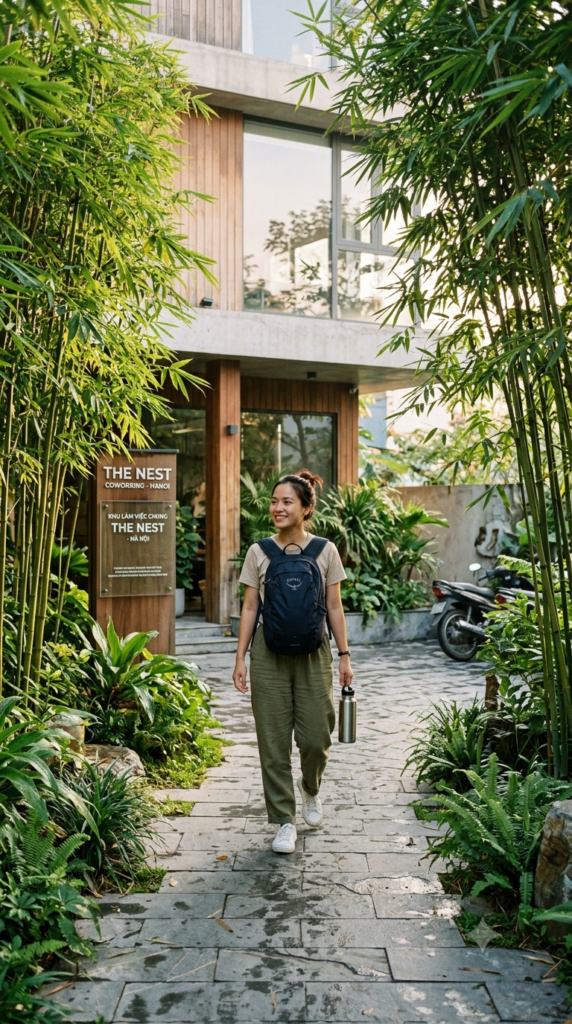
They made it easy to step outside.
Small gardens.
Courtyards.
Walking paths.
Outdoor seating.
Those five or ten-minute breaks between projects became surprisingly valuable.
Returning to work afterward always felt easier.
Sometimes changing your surroundings for a few minutes is enough to reset your attention.
The Human Side of Remote Work
One unexpected benefit had nothing to do with the building itself.
Working alongside other professionals—even quietly—reduced the isolation that many remote workers experience.
There was no pressure to socialize constantly.
Simply sharing a productive environment with other focused people created a sense of motivation that working alone at home sometimes lacked.
The Results After One Month
At the end of the experiment, my notes showed consistent improvements.
Longer periods of uninterrupted concentration.
Fewer afternoon headaches.
Lower perceived stress.
Less dependence on caffeine.
More consistent energy throughout the day.
The most productive coworking spaces weren’t necessarily the most luxurious.
They simply respected how people naturally function.
Fresh air.
Natural light.
Comfortable temperatures.
Quiet surroundings.
Opportunities to move.
Simple things.
Yet together, they made every workday noticeably better.
Would I Continue?
Absolutely.
Today I choose my workspace based less on appearance and far more on how it supports both physical and mental well-being.
A beautiful office means very little if the environment quietly drains your energy.
The right workspace doesn’t simply help you finish more tasks.
It helps you feel healthier while doing them.
And after spending a month paying attention to the details most people overlook, I’ve become convinced that the healthiest office isn’t always the fanciest one.
Sometimes it’s simply the place where you can breathe deeply, see the sunlight, and think clearly.