The Real Cost of Coffee: A One-Year Financial Audit of Brewing at Home vs. Buying Daily Coffee
Like millions of Americans, my morning never truly started until I held a hot cup of coffee.
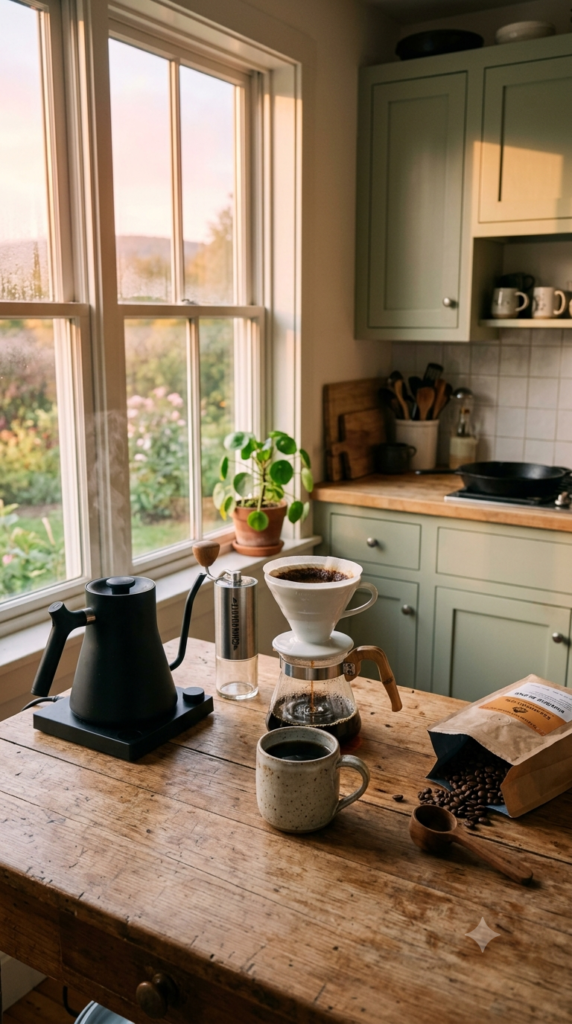
For years, stopping at my favorite coffee shop was simply part of the routine.
One latte before work.
Sometimes another iced coffee during the afternoon.
It never felt expensive.
After all, it was only a few dollars each time.
Or so I thought.
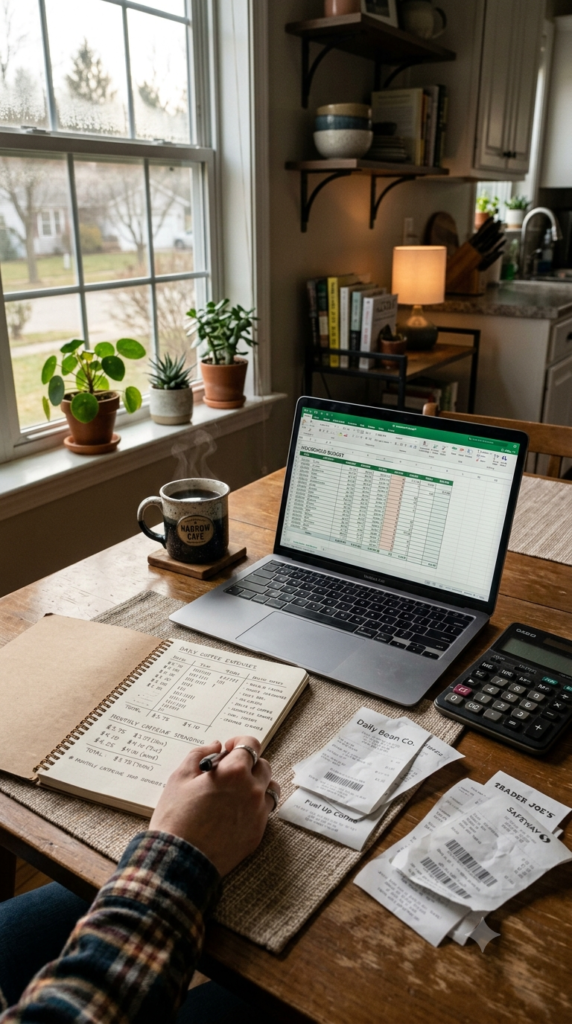
One January morning, while reviewing my monthly credit card statement, I became curious.
How much was I actually spending on coffee every year?
The answer surprised me enough to begin an experiment.
One Year.
Two Different Habits.
For six months, I continued buying coffee exactly as I always had.
Then, for the next six months, I brewed nearly every cup at home.
I kept every receipt.
Every grocery purchase.
Every coffee shop transaction.
Every bag of beans.
Every filter.
Every carton of milk.
At the end of twelve months, the numbers told a story I hadn’t expected.
The Coffee Shop Routine
My average weekday order cost around $6.75 after tax and tip.
Occasionally I chose something more expensive.
Sometimes something simpler.
Weekend visits happened less often, but they still added up.
Over one full year, I purchased approximately 235 drinks.
Total annual spending:
About $1,585.
That number alone was enough to make me pause.
The Home Brewing Experiment
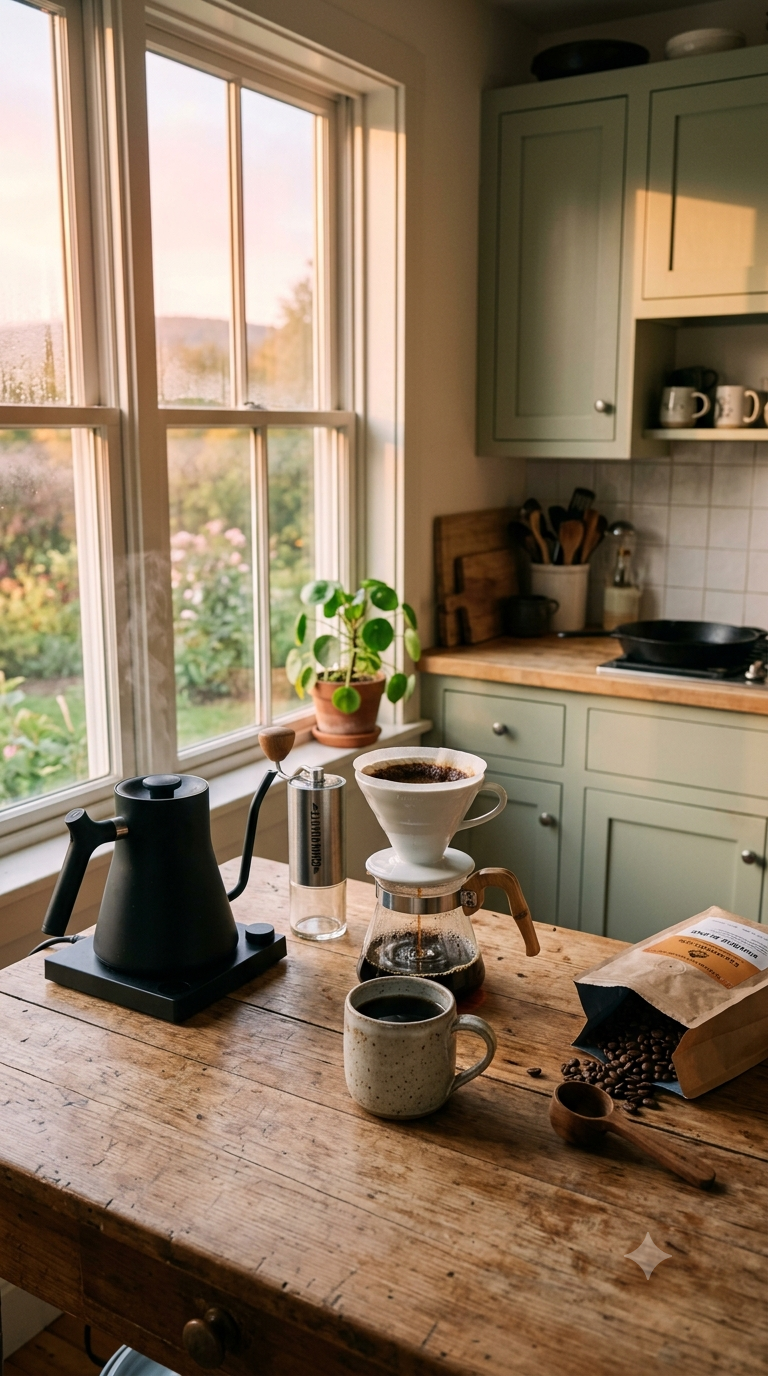
For the second half of the year, I invested in a quality burr grinder and a programmable coffee maker.
The equipment cost roughly $240.
I bought whole coffee beans from local roasters and grocery stores.
Fresh milk.
Paper filters.
Occasional flavored syrups.
Even including electricity and equipment, the average homemade cup cost around $0.95.
Across the year, total spending—including the equipment purchase—came to approximately $620.
That left nearly $965 still sitting in my bank account.
The Surprise Wasn’t Just Money
I expected to save money.
I didn’t expect to enjoy the routine more.
Grinding fresh beans every morning became surprisingly relaxing.
Waiting a few minutes for the coffee to brew created a calmer start to the day.
Instead of rushing through a drive-thru line, mornings became quieter.
More intentional.
Coffee turned into a ritual rather than another errand.
What Could Those Savings Become?
Saving roughly $965 every year may not sound life-changing.
But what happens if that money keeps working?
Invested consistently into a diversified low-cost index fund earning an average annual return over many years, those yearly contributions could grow substantially through compound growth.
Continue the habit for ten years…
And the results become far more meaningful than the price of a daily latte.
Small financial habits often become surprisingly powerful when repeated consistently.
Convenience Has A Price
Buying coffee wasn’t just about caffeine.
It was also paying for convenience.
Location.
Speed.
Atmosphere.
Professional equipment.
Friendly baristas.
Those experiences absolutely have value.
But after comparing the numbers, I realized I didn’t actually need that experience every weekday.
Now I save coffee shop visits for weekends, meetings with friends, or special occasions.
The experience feels more enjoyable because it feels intentional.
Quality Doesn’t Require Spending More
One concern before starting the experiment was taste.
Would homemade coffee disappoint me?
Surprisingly, no.
Using freshly ground beans, filtered water, and good brewing techniques produced coffee that often tasted better than many chain cafés.
Learning a few simple brewing methods made a significant difference.
Freshness mattered more than expensive equipment.
The Hidden Savings
The coffee itself wasn’t the only expense that disappeared.
Impulse purchases became less frequent.
No extra pastry.
No bottled juice.
No spontaneous breakfast sandwich while waiting in line.
Those small purchases quietly added another few hundred dollars of annual savings.
The daily habit had been costing more than the coffee alone.
A Different Morning Routine
Today, I still enjoy coffee shops.
But I appreciate them differently.
Instead of being an automatic expense every weekday, they have become occasional treats.
Most mornings begin in my own kitchen.
Fresh beans.
A favorite mug.
A few quiet minutes before work begins.
The coffee tastes just as satisfying.
And my budget feels healthier too.
The Real Cost Was Never Just Coffee
The experiment taught me something simple.
Small habits rarely stay small.
Repeated hundreds of times, they become major financial decisions.
Brewing coffee at home didn’t make me wealthy.
But it reminded me that intentional spending creates opportunities elsewhere.
Sometimes the most valuable investment isn’t found on a stock market screen.
Sometimes it begins with the first cup of coffee you choose to make yourself.