 111
111 2
2 3
3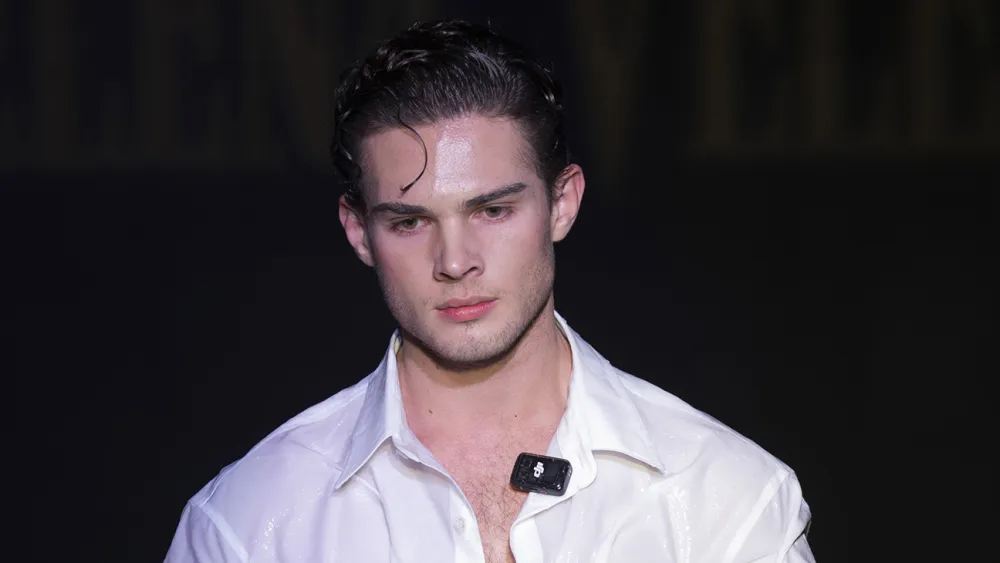
Miami, Florida – Braden Peters, the 20-year-old internet personality widely known online as Clavicular, was hospitalized Tuesday evening after a suspected overdose while livestreaming on the platform Kick. According to multiple reputable sources, the influencer is currently in stable condition.
The incident has drawn significant attention due to Peters’ prominent role in the controversial “looksmaxxing” subculture, which has gained a large following among young men seeking to enhance their physical appearance through extreme methods. This latest event has sparked renewed conversations about the pressures of online influencing, mental health, and substance use in digital communities.
On Tuesday, April 15, 2026, Clavicular was broadcasting live from a public venue in Miami’s upscale Brickell neighborhood. He was accompanied by several other influencers when viewers began noticing concerning changes in his behavior. According to reports from The Hollywood Reporter, People, and TMZ, the streamer appeared disoriented, slurred his words, and repeatedly mentioned feeling “destroyed” or struggling to stay upright. The livestream abruptly ended, prompting immediate concern from his audience.
Emergency responders were called to the scene around 5:46 p.m. local time. Audio obtained by TMZ reportedly captured a Miami-Dade EMS dispatcher responding to a call involving a 20-year-old male experiencing a possible overdose. Videos shared on social media platforms show security personnel assisting Peters and later carrying him toward an ambulance.
Sources close to the situation confirmed that Peters was transported to a local hospital. As of late Tuesday night, he remained hospitalized but was listed in stable condition. No official updates on his exact medical status or discharge date have been released by his representatives or the hospital as of this writing.
Clavicular, whose real name is Braden Eric Peters, rose to prominence as one of the most recognizable faces in the “looksmaxxing” community. The term refers to an online movement focused on “maximizing” one’s looks through a combination of skincare routines, fitness regimens, cosmetic procedures, and in some extreme cases, controversial or dangerous practices such as bone-smashing (purposely fracturing facial bones to alter structure) or the use of unverified supplements and substances.
The subculture primarily targets young men and often promotes rigid standards of attractiveness based on concepts like “mewing,” “hunter eyes,” and facial harmony ratios. While some aspects encourage healthy grooming and exercise, critics argue that extreme elements can lead to body dysmorphia, unrealistic expectations, and risky behaviors.
Peters has built a substantial following across Kick, Instagram, and other platforms by sharing bold, unfiltered content. His outspoken style and willingness to push boundaries have made him both influential and polarizing. In March 2026, he faced legal issues after being arrested in Florida on misdemeanor battery and conspiracy charges, highlighting the sometimes chaotic nature of his public persona.
This incident is not isolated in the world of livestreaming and social media influencing. Many young content creators operate under intense pressure to produce constant, engaging content, often blurring the lines between personal life and public performance. Livestreaming platforms like Kick reward long hours and high drama, which can exacerbate stress, sleep deprivation, and in some cases, substance use as a coping mechanism.
Mental health experts have increasingly warned about the risks associated with these environments. The constant need for validation through likes, views, and donations can contribute to anxiety, depression, and substance experimentation. The looksmaxxing community, in particular, has come under scrutiny for promoting potentially harmful ideologies that equate self-worth almost entirely with physical appearance.
Dr. Elena Ramirez, a psychologist specializing in digital media and youth mental health (not directly involved in this case), notes in general terms: “When appearance becomes an obsession and content creation becomes a full-time identity, young people may turn to quick fixes or substances to maintain performance or cope with insecurity. This can create a dangerous cycle.”
Several factors make Peters’ hospitalization noteworthy:
Live Nature of the Incident: The event unfolded in real time in front of viewers, many of whom are impressionable teenagers and young adults who follow looksmaxxing content.
Platform Responsibility: Kick and similar livestreaming services have faced ongoing criticism regarding content moderation, age restrictions, and handling of medical emergencies during broadcasts.
Community Impact: The looksmaxxing space has already been linked to rising cases of body image issues among young males. This event may prompt further examination of the movement’s influence.
Peters’ case also highlights the importance of distinguishing between harmless self-improvement advice and dangerous extremes. Health professionals consistently recommend evidence-based approaches — balanced nutrition, regular exercise, quality sleep, and professional medical advice — over unverified online trends.
Social media platforms lit up quickly after the stream ended. Many fans expressed genuine concern and posted messages of support, while others used the moment to debate the darker sides of influencer culture. Hashtags related to the incident trended briefly, with discussions ranging from calls for better mental health resources to criticism of the looksmaxxing ideology.
As of now, neither Peters nor his management team has issued an official statement. Fans are awaiting any update on his recovery and possible future plans for content creation.
Incidents like this serve as important reminders for both creators and audiences. For young influencers, establishing boundaries, prioritizing health, and seeking professional support when needed are essential. For viewers, especially minors, it is crucial to approach online trends critically and understand that much of what appears on screen is curated or exaggerated.
Parents and educators are encouraged to maintain open conversations with young people about social media consumption, body image, and the potential dangers of following unverified health or appearance advice.
Localpaperdaily.com will continue monitoring developments in this story. We will provide updates as more confirmed information becomes available from official sources, including any statements from Peters, his team, or law enforcement.
Stay informed responsibly. If you or someone you know is struggling with substance use or mental health challenges, resources such as the Substance Abuse and Mental Health Services Administration (SAMHSA) helpline at 1-800-662-HELP (4357) are available 24/7.