 111
111 2
2 3
3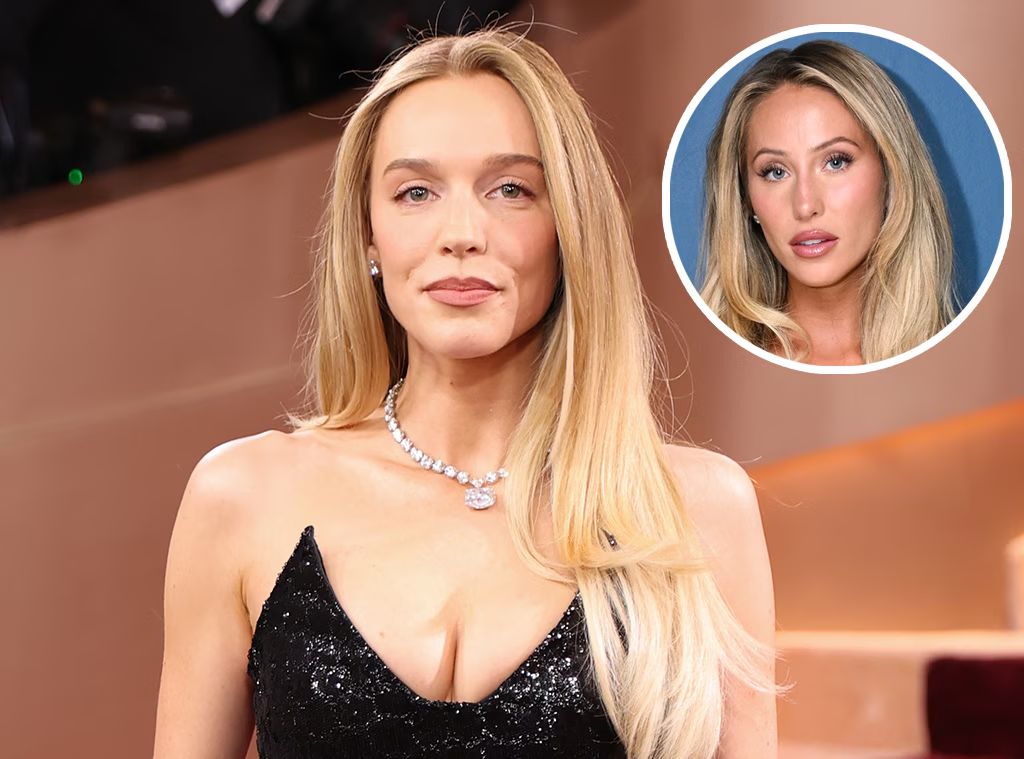
The landscape of digital media in 2026 is no longer governed by traditional studios, but by individual powerhouses who command audiences larger than network television. At the center of this shift is the escalating tension between Alex Cooper, the architect of the Unwell Network, and Alix Earle, the breakout star of the “Hot Mess” podcast. What began as a lucrative partnership has transformed into a high-stakes case study on the complexities of the Creator Economy, intellectual property, and the fragility of digital mentorship.
To understand the current friction, one must look back at the strategic alignment formed in late 2023. Alex Cooper, fresh off her landmark deal with SiriusXM, sought to diversify her influence by founding the Unwell Network. Her first and most significant “signing” was Alix Earle. At that moment, the partnership seemed symbiotic: Cooper provided the institutional credibility and production infrastructure, while Earle brought a Gen-Z cultural relevance that was unmatched on short-form platforms like TikTok.
However, the rapid professionalization of “influencing” created an inherent tension. As Earle’s “Hot Mess” podcast surged in popularity, the limitations of being under a network umbrella—even one led by a peer like Cooper—became apparent. By the time Hot Mess announced its departure from Unwell in early 2025, it was clear that the student had outgrown the classroom, leading to a quiet but palpable rift in the industry.
The silence that defined much of 2025 was shattered in April 2026 when Alex Cooper addressed the situation directly. In a move that bypassed traditional PR filters, Cooper utilized her own platforms to challenge the “victim narrative” that had begun to circulate among Earle’s fan base. This direct confrontation highlights a major trend in 2026 media: the demand for radical transparency.
Cooper’s primary assertion focused on the misuse of Non-Disclosure Agreements (NDAs) as a tool for public sympathy. By publicly stating that no legal barriers prevented Earle from speaking her truth, Cooper effectively shifted the burden of proof. This tactic was not merely a personal defense but a calculated business move to protect the reputation of the Unwell Network, ensuring that future talent does not view the organization as a restrictive or exploitative entity.
The core of the Cooper-Earle feud is rooted in the economics of independence. In the 2026 digital landscape, the value of “ownership” has eclipsed the value of “affiliation.” For a creator of Earle’s magnitude, the percentage of ad revenue and sponsorship deals shared with a network can amount to millions of dollars annually.
The departure from Unwell Network was, at its heart, a move toward full vertical integration. By owning her distribution and production, Earle maximized her profit margins but also assumed 100% of the operational risk. The ongoing feud serves as a cautionary tale for media networks: in an era where talent can reach billions of people directly, a network’s value proposition must go beyond mere distribution. It must offer specialized services—legal protection, advanced data analytics, or unique IP opportunities—that a creator cannot replicate independently.
Beyond the balance sheets, this conflict examines the psychological toll of digital mentorship. Alex Cooper was often framed as the “big sister” of the industry, a role that becomes complicated when the “younger sister” becomes a direct competitor for the same advertising dollars and audience attention.
The public nature of their fallout—played out through TikTok likes, cryptic comments, and podcast snippets—reflects the “gamification” of celebrity conflict. In 2026, drama is a commodity. Both creators understand that every video addressing the feud drives engagement, boosts algorithmic visibility, and ultimately increases their market value, even as it complicates their personal relationship.
As we look toward the remainder of 2026, the resolution of the Cooper-Earle conflict will likely set a precedent for how talent-led networks operate. For publishers and industry observers, the takeaway is clear: the era of the “all-powerful network” is fading, replaced by a more fragmented system where individual brand equity is the ultimate currency.
Whether this feud ends in a public reconciliation or a permanent legal separation, it has already succeeded in pulling back the curtain on the business of being a creator. It is no longer enough to be “relatable” or “viral.” In the modern media war, success is defined by who owns the narrative, who owns the data, and who has the courage to speak directly to the audience without a script.