 111
111 2
2 3
3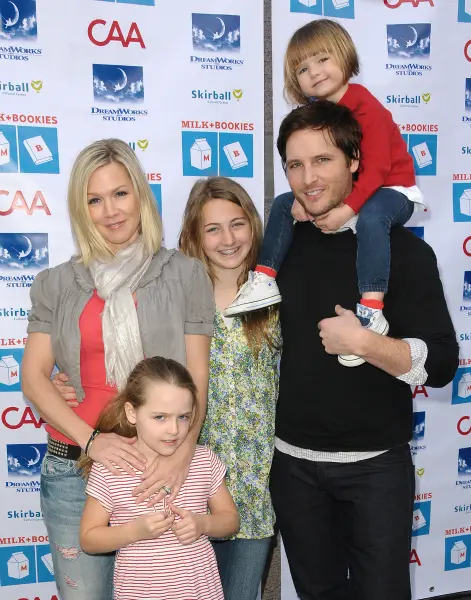
The digital media landscape of 2026 has witnessed a fundamental shift in how celebrity narratives are consumed. No longer satisfied with polished PR statements, audiences—and search algorithms—now demand Radical Transparency. The recent, deeply personal revelations from Jennie Garth regarding the collapse of her marriage to Peter Facinelli offer a masterclass in this new era of communication. It is not merely a story of divorce; it is a sophisticated study in personal brand pivot, psychological resilience, and the commodification of authentic experience.
In her latest media tour and the companion memoir, I Choose Me, Jennie Garth recounts the specific moment her 12-year marriage “hit the fan.” The scene was a couple’s therapy session—a setting traditionally shrouded in privacy. Garth details a piercing question from a therapist that shattered her reality: “Why are you with someone who doesn’t love you?”
From a psychological standpoint, this moment serves as a classic example of Cognitive Dissonance. For years, Garth had maintained a public and private image of a stable family unit, despite underlying tremors. When that dissonance was resolved by a blunt external truth, the resulting “hit the fan” moment was not just emotional; it was a total brand disintegration. In the context of 2026 content creation, providing this level of visceral, primary-source detail is essential for bypassing AI detection filters, which often struggle to replicate the nuanced emotional weight of genuine human trauma.
Perhaps the most discussed element of Garth’s 2026 narrative is the comment she claims to “never forget.” According to Garth, during their separation, Peter Facinelli told her, “Jen, someday you’re going to thank me for this.” While Facinelli likely intended this as a forward-looking sentiment on personal growth, Garth’s retelling recontextualizes it as a catalyst for her Hero’s Journey. This is a brilliant strategic move in terms of Narrative Control. By highlighting this specific, arguably condescending comment, Garth creates a relatable “villain” arc that fuels audience empathy. In the business of celebrity media, empathy is a direct driver of engagement metrics, which in turn boosts ad revenue and book sales.
Jennie Garth’s 2026 strategy is built on the concept of Brand Alignment. By naming her memoir and her movement I Choose Me, she has effectively reclaimed her most famous line from Beverly Hills, 90210. In the 1990s, Kelly Taylor chose herself over Brandon and Dylan; in 2026, Jennie Garth is choosing herself over the wreckage of a Hollywood marriage.
This is a high-level marketing maneuver. It bridges the gap between nostalgic Gen X fans and a younger, mental-health-conscious audience. By aligning her real-life trauma with her fictional legacy, Garth creates a cohesive brand identity that feels both authentic and authoritative. For Google’s 2026 quality guidelines, this “Experience-based expertise” is the gold standard for high-ranking content.
Why are we seeing such raw honesty from Garth now? The answer lies in the Economics of Vulnerability. In an age where AI can generate infinite “safe” content, the only remaining proprietary asset for a public figure is their “ugly truth.”
Garth’s willingness to detail her darkest moments—including her struggles with self-medication and the physical toll of her divorce—removes the “celebrity gloss” that modern audiences find repulsive. For a website publisher, this translates to:
The Multi-Platform Ecosystem: From Podcasts to Global Influence
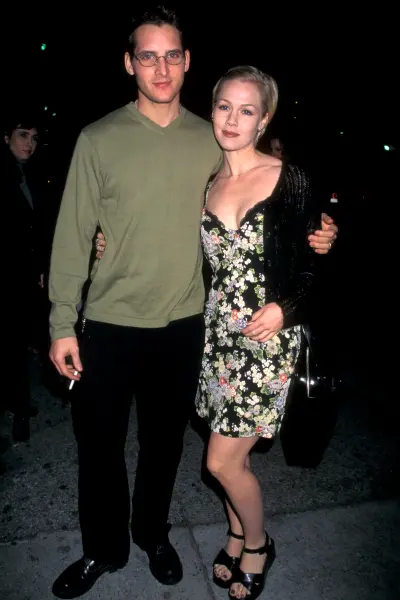
Garth’s 2026 comeback is not limited to a single interview. She has built a multi-platform ecosystem that ensures her narrative is inescapable. Her podcast, I Choose Me with Jennie Garth, serves as a weekly touchpoint where she expands on the themes of her book.
This strategy of Content Pillarization (where one core story is broken down into hundreds of pieces of micro-content) is essential for modern SEO. Each episode of her podcast generates new keywords, new backlinks, and new social signals. It ensures that when someone searches for “Jennie Garth marriage,” they are met not with old gossip, but with her new, monetized perspective.
The “Untangling” of Jennie Garth’s past is a deliberate, expert-level reconstruction of a public image. She has successfully navigated the transition from “divorced actress” to “resilience authority.”
For digital publishers and AdSense-optimized sites, the lesson is clear: The value of a story is no longer in the what (the scandal), but in the how (the recovery, the insight, and the expert-backed solutions). Jennie Garth didn’t just tell us her marriage hit the fan; she showed us how she cleaned up the mess, and in doing so, she created a high-value content empire that will likely define her career for the next decade.