 111
111 2
2 3
3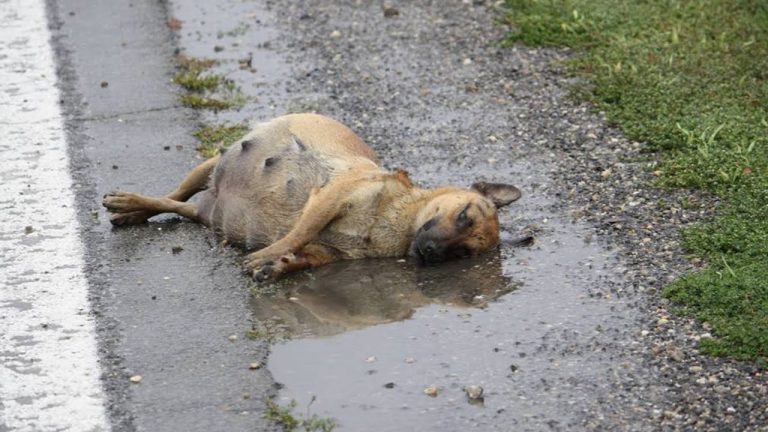
The story begins with a haunting image—one that instantly tugs at the heart. A pregnant stray dog, battered and abandoned, lies motionless on the side of a dusty road. Her body tells a story of suffering and neglect. Whoever had done this to her had not only stripped her of safety but also of dignity. When rescuers received the call, they rushed to find her, their hearts pounding with both hope and dread. But when they reached the spot, she was gone. Only faint paw prints remained in the dirt, leading into uncertainty.
For days, volunteers searched tirelessly. They drove along rural roads, checked behind buildings, and called out softly into the night, hoping she might recognize a kind voice. The fear that she might not survive grew heavier with every passing hour. Then, one afternoon, they found her again—but the scene was even more devastating. She was no longer pregnant. Her body showed the toll of immense pain and loss. She had miscarried or lost her puppies somewhere along the way, and her fragile frame now carried not only physical wounds but invisible heartbreak.
Her rescuers noticed that she had become frighteningly thin, her ribs sharply outlined beneath dull, patchy fur. She was suffering from a painful rectal prolapse, a condition that must have made every step unbearable. Yet there she was, wandering down a busy highway, disoriented and vulnerable, with cars rushing past her. Her instinct to survive had carried her this far, but she was at the edge of collapse.
Earning her trust became the rescuers’ next challenge—a delicate and emotional process. They placed food near her and stepped far away, waiting patiently. She would approach slowly, trembling, then retreat again, terrified of human hands that had once brought her harm. This dance of fear and hope continued for hours. It was a heartbreaking reminder of what cruelty can do to a soul that once trusted freely. Finally, with immense patience and quiet persistence, they managed to coax her close enough to gently secure her in a blanket. She didn’t fight back this time. Maybe, somewhere inside, she sensed that these were not the same kind of humans who had hurt her.
Once safely in their care, the rescuers gave her a name—Lisa. They believed that every living being deserves to be called by a name, not just “the dog.” But her battle was far from over. Lisa’s body was weak, her spirit even weaker. She was dehydrated to the point of refusing water. The caregivers had to administer fluids through a syringe, one careful drop at a time. It was a struggle for both sides—Lisa, terrified and resisting, and her caregivers, hearts aching but determined not to give up.
Days turned into a slow rhythm of effort, patience, and hope. Each morning, volunteers greeted her softly, speaking to her with gentle voices, trying to remind her that she was safe now. They brought her blankets to keep her warm and fresh meals to tempt her appetite. For a long while, she wouldn’t eat. She’d sniff the food, then look away, as if her will to live had been dimmed by too much sorrow. But rescuers know that healing isn’t just physical—it’s emotional too. They sat beside her, letting her feel presence and warmth, not demanding anything in return.
Then, one morning, something miraculous happened. Lisa approached her food bowl and began to eat—tentatively at first, then with growing hunger. It was a small act, but for those who had been caring for her, it was a moment of triumph. That single gesture meant that she was beginning to trust again, that her body wanted to live, and her spirit had found a reason to try. They watched her eat in silence, tears glistening in their eyes, because in rescue work, hope often comes in the smallest, quietest moments.