 111
111 2
2 3
3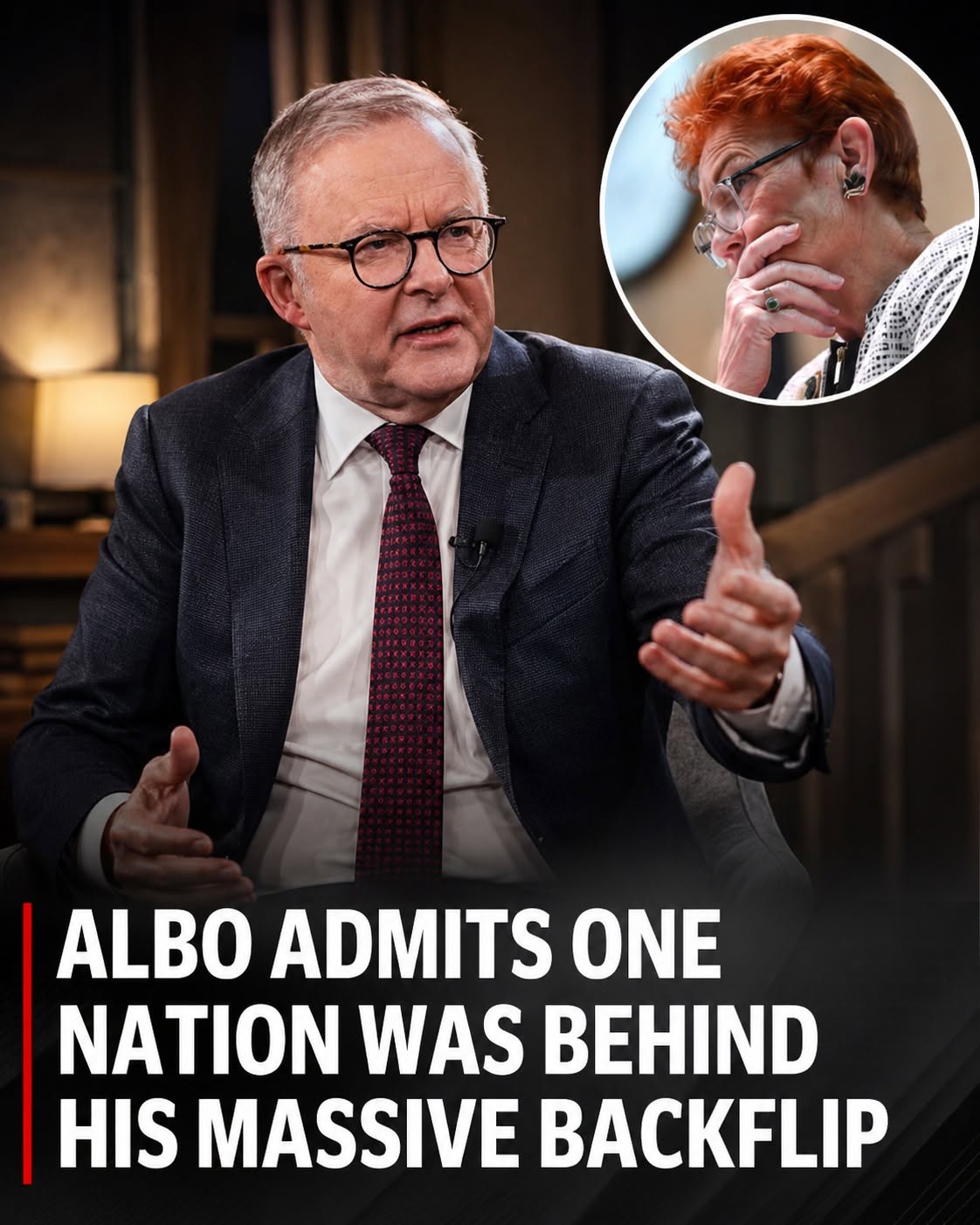
Anthony Albanese has defended his government’s decision to change course on key tax policies, arguing that growing public frustration over living costs and economic pressures is reshaping Australia’s political landscape.
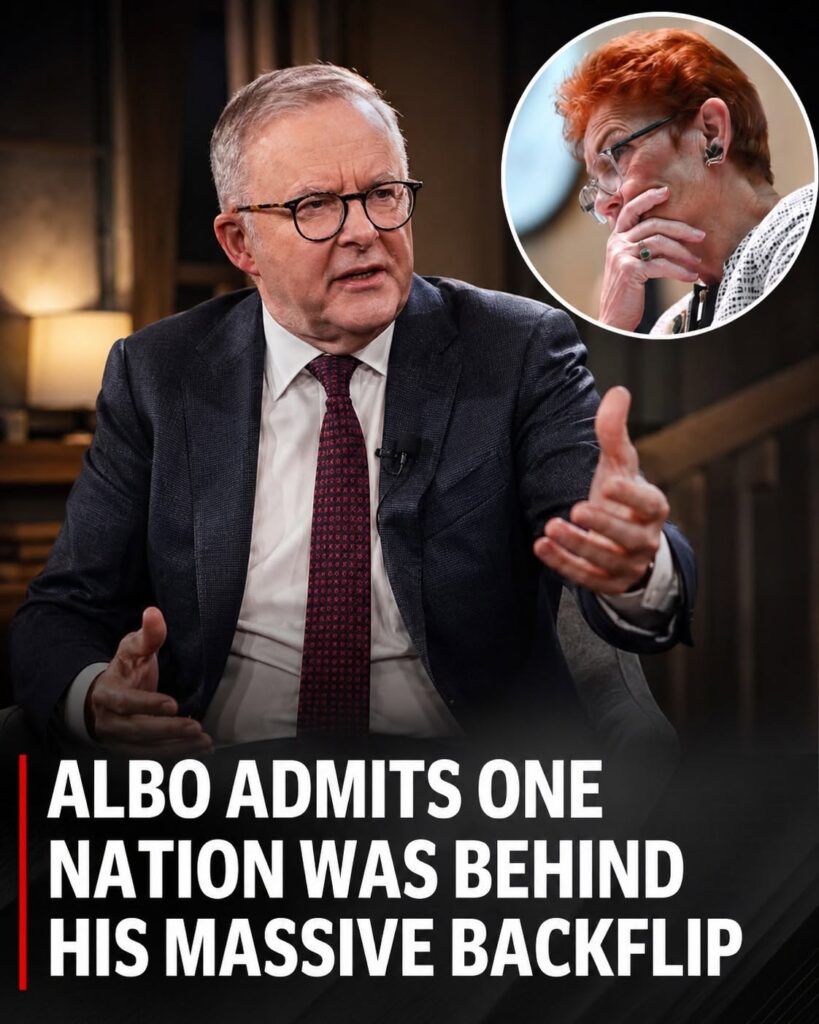
The Prime Minister’s comments come as debate intensifies over housing affordability, taxation and the growing appeal of political movements that claim the major parties are no longer listening to ordinary Australians.
While the immediate controversy centres on tax policy, the deeper issue may be voter trust.
Across the country, more Australians are asking whether governments are delivering the outcomes they were promised or simply adapting policies once elections are over.
The Prime Minister acknowledged that economic frustration is playing a major role in shifting political attitudes, while defending the government’s decision to alter previously stated positions on capital gains tax and negative gearing reforms. He argued that changing economic conditions required a policy response and said governments must adapt to emerging challenges rather than remain fixed to earlier commitments.
That explanation has not ended the debate.
For many voters, the issue extends beyond any individual tax measure.
It raises broader questions about political accountability and whether election commitments should remain binding when economic conditions change.
The challenge for governments is that trust can be difficult to build and easy to lose.
When households are facing rising expenses, voters often become more sensitive to perceived inconsistencies in political messaging.
Australia’s cost-of-living pressures remain one of the most significant forces shaping public opinion.
Many families continue to deal with higher mortgage repayments, rising rents, increasing insurance premiums, energy costs and everyday household expenses.
For some households, financial pressure has become a daily concern rather than a temporary inconvenience.
This economic backdrop helps explain why tax policy has become such a politically powerful issue.
Australians increasingly want to know not only how much tax they pay, but also how government decisions affect housing affordability, investment opportunities and long-term financial security.
Housing remains particularly important.
Property affordability continues to rank among the top concerns for younger Australians attempting to enter the market.
At the same time, existing homeowners and investors are closely watching any changes that could affect property values, rental supply or investment returns.
The result is a highly charged political environment where even relatively technical tax reforms can generate strong emotional responses.
Business confidence has also become part of the conversation.
Many small business owners are already managing higher operating costs, workforce challenges and weaker consumer spending.
When governments introduce significant economic reforms, business operators often evaluate them through the lens of certainty and future investment confidence.
Supporters of the government’s approach argue that policy reform is necessary to address economic inequality and improve opportunities for future generations.
Critics counter that changing previously stated positions risks undermining confidence among investors, businesses and voters.
These competing perspectives have contributed to a broader debate about political leadership and economic management.
At the same time, dissatisfaction with traditional political institutions appears to be creating opportunities for alternative political movements.
The Prime Minister warned against what he described as grievance-based populism while acknowledging that many Australians are frustrated with current economic conditions. Recent political commentary has linked that frustration to growing support for parties outside the traditional Labor–Coalition contest.
This trend is not unique to Australia.
Across many democracies, voters have become more willing to abandon long-standing political loyalties when they believe existing institutions are failing to address economic concerns.
Issues such as housing, migration, taxation and living costs frequently become focal points for that frustration.
For major parties, the challenge is increasingly clear.
Voters expect results.
Political arguments alone are often no longer enough.
People want to see measurable improvements in affordability, economic security and opportunity.
The next phase of the debate will likely move beyond questions about whether policies changed.
Instead, attention may shift toward whether those policies actually deliver the outcomes being promised.
Will housing become more affordable?
Will economic opportunities improve?
Will household budgets feel less strained?
Those questions will ultimately shape how voters judge both the government and its opponents.
As Australia continues to navigate economic uncertainty, the political consequences of cost-of-living pressures are becoming increasingly difficult to ignore.
The argument over tax policy may dominate headlines today, but the underlying issue is much larger.
It is about confidence.
Confidence in political leaders.
Confidence in economic policy.
And confidence that the next generation of Australians will have opportunities that are at least as strong as those enjoyed by those who came before them.
For many voters, that is the debate that matters most.