 111
111 2
2 3
3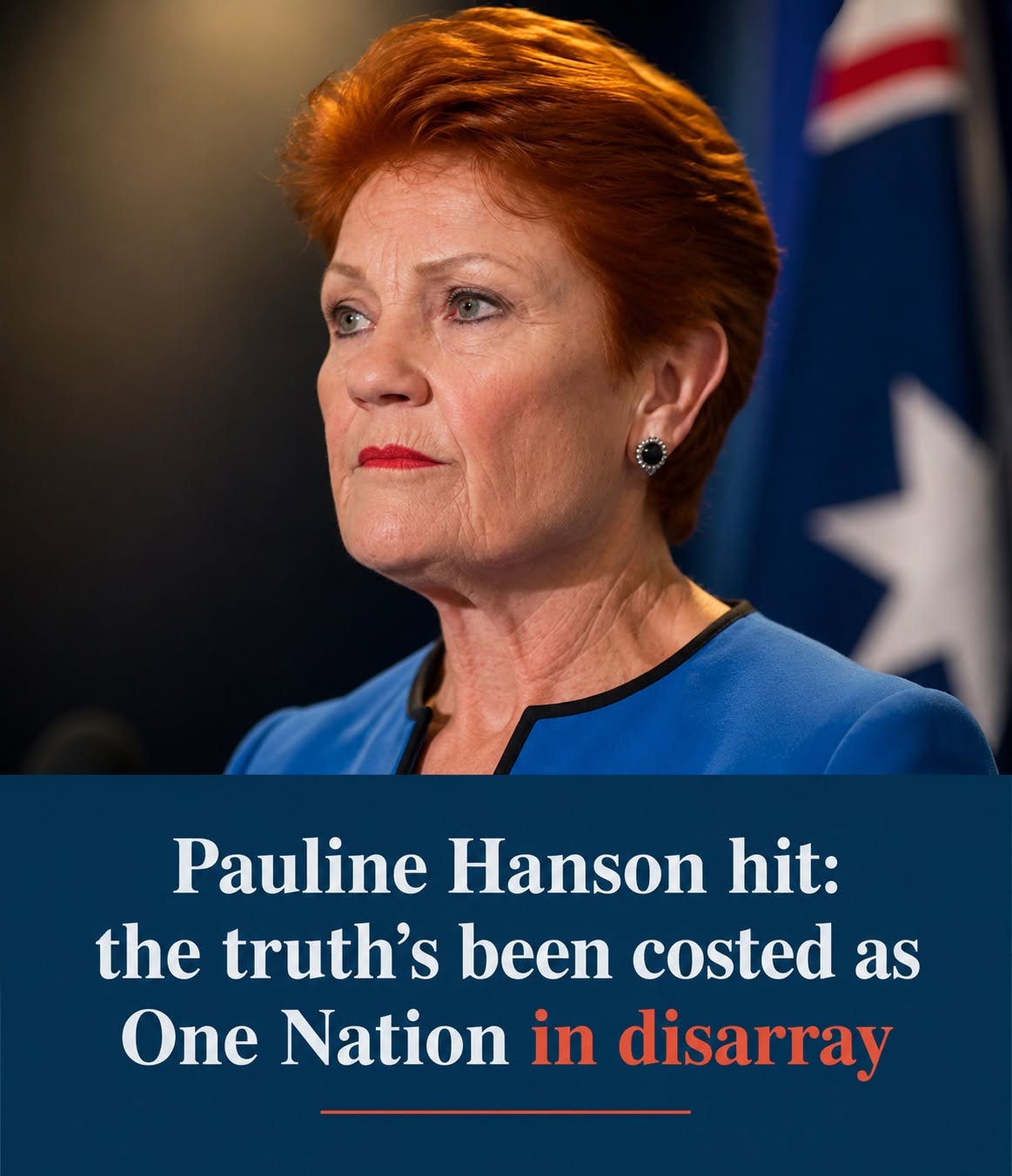
As support for One Nation continues to grow across parts of Australia, the party is finding itself under a level of scrutiny usually reserved for governments and major opposition parties.
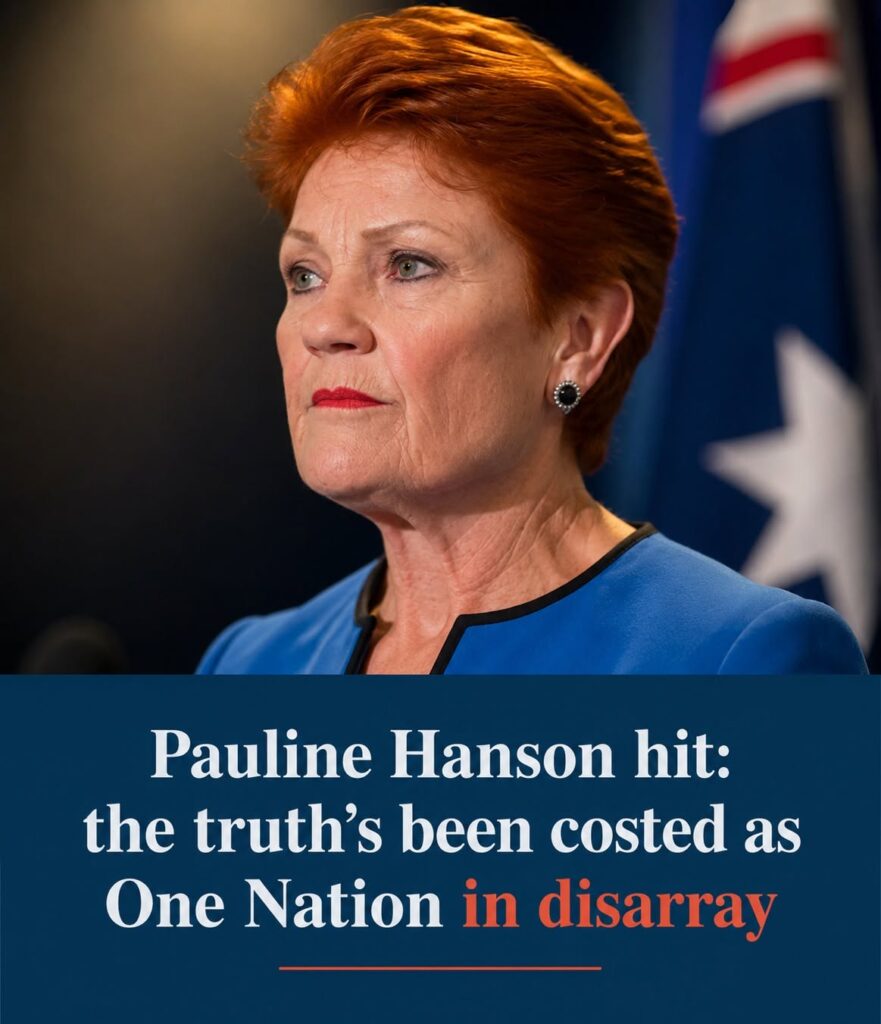
For years, Pauline Hanson positioned One Nation as a protest movement for voters frustrated with Canberra.
Now, as the party attracts more attention and stronger polling numbers, a different question is emerging.
Can a party built on voter dissatisfaction also demonstrate that it is ready to govern?
The latest debate centres on concerns about policy costings and confusion surrounding key elements of One Nation’s housing agenda.
Recent political reporting has highlighted questions about whether some flagship policies have been fully costed and whether party representatives have been able to consistently explain how certain proposals would operate in practice. Independent scrutiny has also focused on conflicting public explanations regarding parts of the party’s housing platform.
These questions arrive at a critical moment for Australian politics.
Public frustration with both Labor and the Coalition remains elevated as households continue to grapple with housing affordability, rising costs and economic uncertainty.
Many voters feel traditional political parties have failed to address problems that have been building for years.
That dissatisfaction has created opportunities for alternative political movements.
But success brings new challenges.
When a party moves from the political fringe toward the centre of national debate, voters often expect a higher level of detail.
They want to know not only what a party opposes, but exactly how it plans to implement its proposals.
This is particularly important when housing is involved.
Housing affordability remains one of the most significant issues facing Australia.
First-home buyers continue to struggle with deposits and borrowing capacity.
Renters face intense competition and rising costs.
Many younger Australians believe the path to home ownership has become substantially harder than it was for previous generations.
As a result, housing policies attract enormous public attention.
Voters increasingly want detailed explanations regarding costs, implementation and likely outcomes.
Recent media scrutiny intensified after confusion emerged around aspects of One Nation’s proposal concerning foreign ownership of residential property, with different party representatives providing differing explanations before subsequent clarifications were issued.
While political mistakes are hardly unique to One Nation, the episode highlights a broader reality.
Parties seeking to become major political forces face increasing pressure to demonstrate policy discipline and operational competence.
Economic credibility has become especially important.
Australians are currently facing challenges that directly affect household finances.
Mortgage repayments remain a concern for many homeowners.
Rental costs continue to place pressure on family budgets.
Insurance premiums, utility bills and everyday expenses have all contributed to a prolonged cost-of-living squeeze.
In this environment, voters often demand greater certainty from policymakers.
Promises alone are rarely enough.
People want evidence that proposals can be funded, implemented and sustained.
This expectation applies to governments, oppositions and emerging political movements alike.
Political analysts have noted that One Nation’s growing popularity is forcing a transition from protest politics to policy politics. As the party gains support, attention is increasingly shifting toward leadership capability, policy detail and governance readiness rather than voter anger alone.
The challenge is not unique to Australia.
Across many democracies, outsider parties have successfully captured public frustration only to face much tougher scrutiny once voters begin considering them as potential governing alternatives.
The questions become more demanding.
How will policies be funded?
What are the economic consequences?
How will implementation work in practice?
What are the unintended effects?
Housing policy provides a perfect example.
Most Australians agree affordability has become a major problem.
The disagreement is over solutions.
Some favour supply-side reforms focused on construction and planning approvals.
Others support changes to migration settings, foreign ownership rules or taxation.
Many economists argue that no single measure is likely to solve the problem on its own.
That complexity means detailed policy design matters.
For One Nation, the current scrutiny may ultimately be a sign of political success.
Parties rarely face intense examination unless voters believe they could become genuinely influential.
At the same time, greater attention inevitably creates greater risk.
Every inconsistency, policy gap or communication error receives more coverage than it might have in the past.
The broader political landscape is also changing.
Australians are increasingly willing to reconsider long-standing political loyalties.
Trust in major institutions has shifted.
Many voters are actively searching for alternatives that they believe better reflect their concerns about housing, economic opportunity and national direction.
Whether One Nation can convert that frustration into long-term political credibility remains an open question.
What is clear is that the standards applied to the party are changing.
As support grows, expectations grow with it.
And in modern Australian politics, the ability to explain and cost policies may prove just as important as the ability to identify public frustration in the first place.