 111
111 2
2 3
3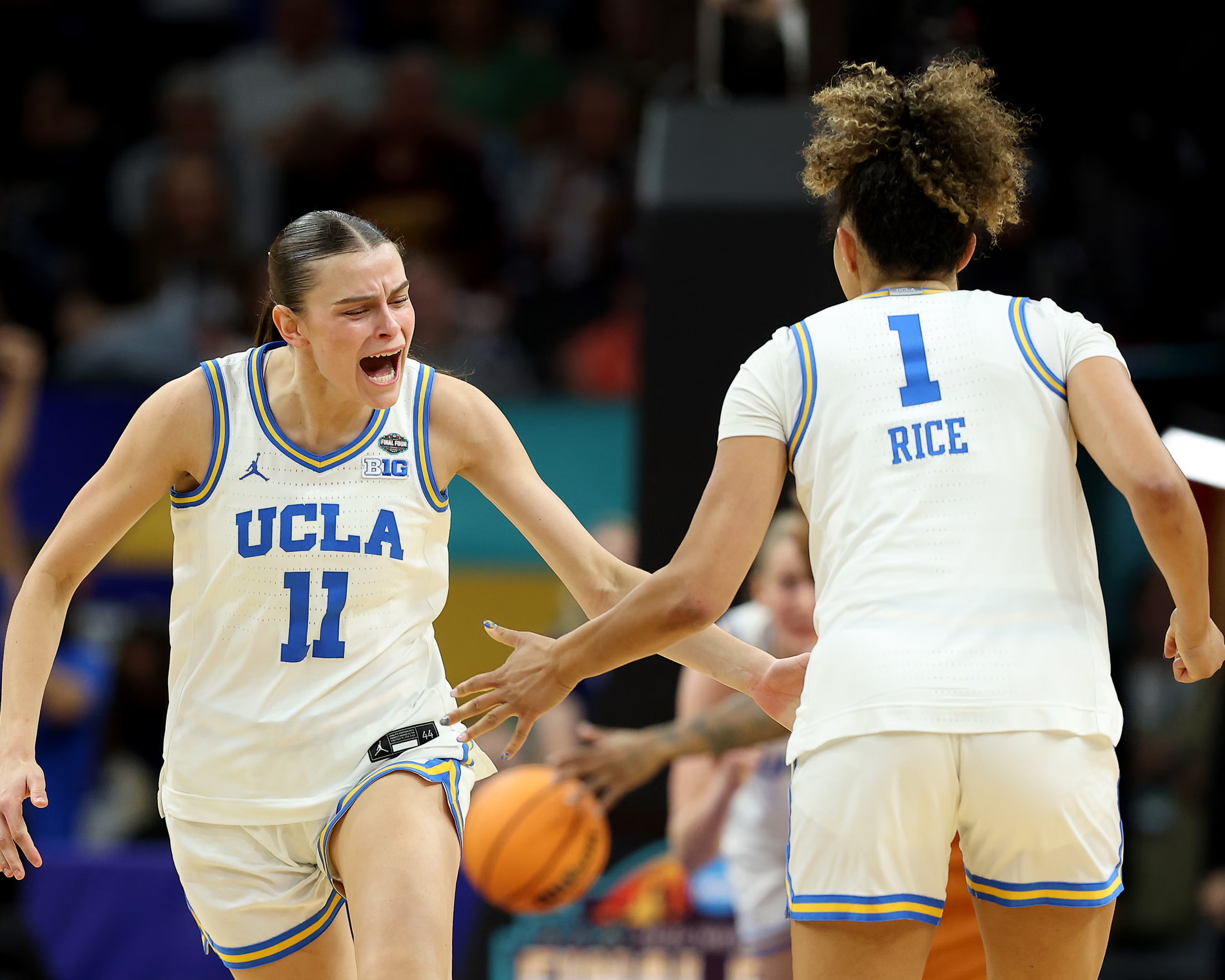
The landscape of collegiate women’s basketball reached a fever pitch this weekend as the Final Four delivered a masterclass in elite competition, strategic depth, and emotional resilience. In a pair of matchups that will be analyzed for years to come, UCLA managed to edge out a formidable Texas squad, while the powerhouse South Carolina continued their reign by taking down a resilient UConn team. These games were not just about the final score; they were about the “Metric of Greatness”—a combination of individual brilliance and cohesive team systems that define the 2026 season. For the fans following the live updates on localpaperdaily.com, the atmosphere was electric, marking a new era where the parity in the women’s game has never been higher.
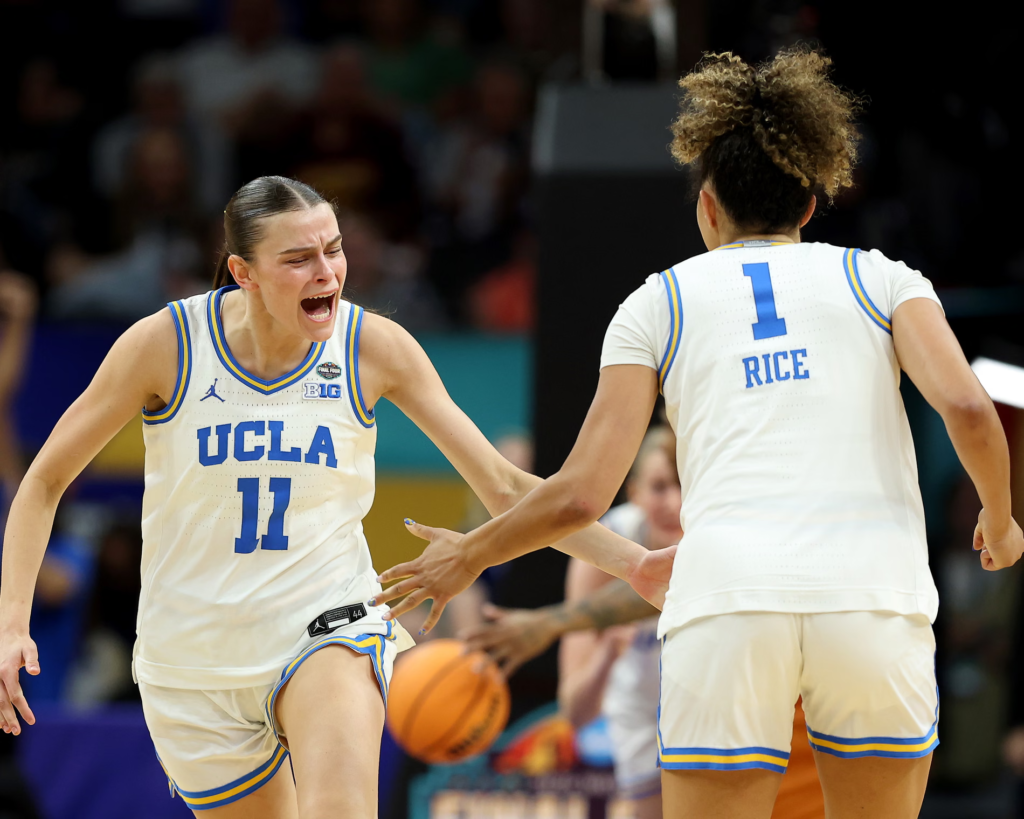
UCLA will face South Carolina for the national championship. Photograph: Sarah Stier/Getty Images
The matchup between UCLA and Texas was billed as a clash of styles: the high-octane perimeter play of the Bruins against the physical, interior dominance of the Longhorns. From the opening tip-off, it was clear that UCLA had come prepared with a defensive scheme designed to neutralize Texas’s size advantage. By implementing a “Swarming Zone” that collapsed on every post entry, UCLA forced Texas into uncharacteristic turnovers and contested mid-range jumpers. This strategic pivot allowed the Bruins to control the “Possession Economy” of the game, ensuring that every Longhorn bucket was earned through intense physical struggle.
The turning point came in the third quarter when UCLA’s transition offense ignited. By turning defensive rebounds into immediate fast-break opportunities, the Bruins bypassed the Texas half-court defense entirely. The “Figure” that decided this game was the points-off-turnovers metric, where UCLA held a significant double-digit lead. This wasn’t just a win; it was a statement that speed and tactical flexibility could overcome raw physical stature. As the final whistle blew, the UCLA bench erupted, signaling their first trip to the national championship game in a generation, leaving Texas to reflect on a season of immense growth and near-misses.
In the second half of the double-header, the basketball world witnessed a tactical chess match between two of the most storied programs in the history of the sport. South Carolina, entering the game as the heavy favorite, faced a UConn team that had defied expectations all season long. However, the Gamecocks’ depth proved to be the “X-Factor.” While UConn relied heavily on their star backcourt to generate offense, South Carolina utilized a ten-player rotation that kept their defensive intensity at a peak for all forty minutes. This “Fatigue Management” strategy eventually wore down the Huskies, leading to a scoring drought in the final period that UConn simply could not overcome.
The coaching battle on the sideline was equally fascinating. Every adjustment made by the UConn staff was met with a counter-move from South Carolina. The Gamecocks’ ability to switch across all five positions effectively “erased” the passing lanes that UConn typically exploits. Data from the game shows that UConn’s “Assist-to-Turnover Ratio” dropped to its lowest point of the tournament, a direct result of the suffocating pressure applied by South Carolina’s perimeter defenders. By the time the fourth quarter arrived, the outcome felt inevitable—not because UConn lacked heart, but because South Carolina operated with a mechanical precision that left no room for error.
Beyond the technical stats, the Final Four is a test of “Mental Fortitude.” The players on the court are dealing with more than just physical fatigue; they are carrying the expectations of their universities and a national television audience. In the UCLA-Texas game, this was evident in the free-throw shooting during the closing minutes. UCLA’s ability to remain “Cold-Blooded” at the charity stripe reflected a season-long focus on psychological preparation. Conversely, Texas’s uncharacteristic misses under pressure highlighted how the “Hydration of Focus” can evaporate in the heat of a Final Four spotlight.
For South Carolina, their psychological advantage stems from their “Culture of Winning.” They played with the composure of a team that expected to be there, whereas UConn played with the desperation of a team trying to reclaim past glory. This difference in “Identity” manifested in how each team handled adversity. When South Carolina went down by six points early in the second half, there was no panic—only a systematic execution of their secondary offensive sets. This resilience is what makes them the gold standard of the 2026 season and why they remain the team to beat in the upcoming championship final.
The 2026 NCAA Women’s Tournament has reached a “Figure of Success” that surpasses all previous metrics. Ticket prices for the Final Four reached historic highs, reflecting a massive surge in local and national interest. For localpaperdaily.com, this represents more than just sports news; it’s a cultural phenomenon that drives local economic activity and inspires the next generation of athletes in our community. The “ROI of Investment” in women’s sports is now undeniable, with sponsorship deals and viewership numbers rivaling, and in some cases exceeding, the men’s tournament.
The “Fact” is that the quality of play has reached a level where the traditional “Mid-Major” vs. “Powerhouse” narrative is dissolving. UCLA’s victory over Texas is proof that the recruiting landscape has shifted, allowing talent to be more evenly distributed across the country. This parity is good for the sport, good for the fans, and essential for the long-term sustainability of collegiate athletics. As we look toward the final, the conversation has shifted from “Will people watch?” to “How can we accommodate the millions who want to be a part of this moment?”
The stage is now set for a championship game that pits UCLA’s “Speed and Versatility” against South Carolina’s “Depth and Discipline.” To win, UCLA will need to find a way to maintain their defensive swarming for a full four quarters without falling into foul trouble—a difficult task against South Carolina’s physical frontcourt. On the other hand, South Carolina must ensure they don’t become complacent against a UCLA team that has proven they can play the role of the giant-killer.
Experts suggest that the “Transition Efficiency” will be the deciding factor. If UCLA can force South Carolina into a track meet, they have a legitimate chance at the upset. However, if the Gamecocks can force the game into a half-court grind, their superior size and rebounding will likely lead them to another title. Regardless of the outcome, the 2026 Final Four has already secured its place in history as a tournament where the “Figures” of performance met the “Facts” of a rapidly evolving sport.
In the end, the victories by UCLA and South Carolina are a testament to the growth of the women’s game. The “Ridiculous” level of talent on display this weekend has set a new standard for what is possible in collegiate athletics. We invite the readers of localpaperdaily.com to stay tuned for our exclusive coverage of the championship game, where we will continue to provide the data, the drama, and the local perspective on this historic journey.
The Final Four wasn’t just a series of games; it was a celebration of the “Human Potential” and the “Strategic Excellence” that defines elite sport. Whether you are a die-hard Bruins fan, a loyal Gamecock supporter, or just a lover of great basketball, the 2026 season has given us plenty to talk about. The road to the title is almost complete, and if the Final Four was any indication, the best is yet to come.