 111
111 2
2 3
3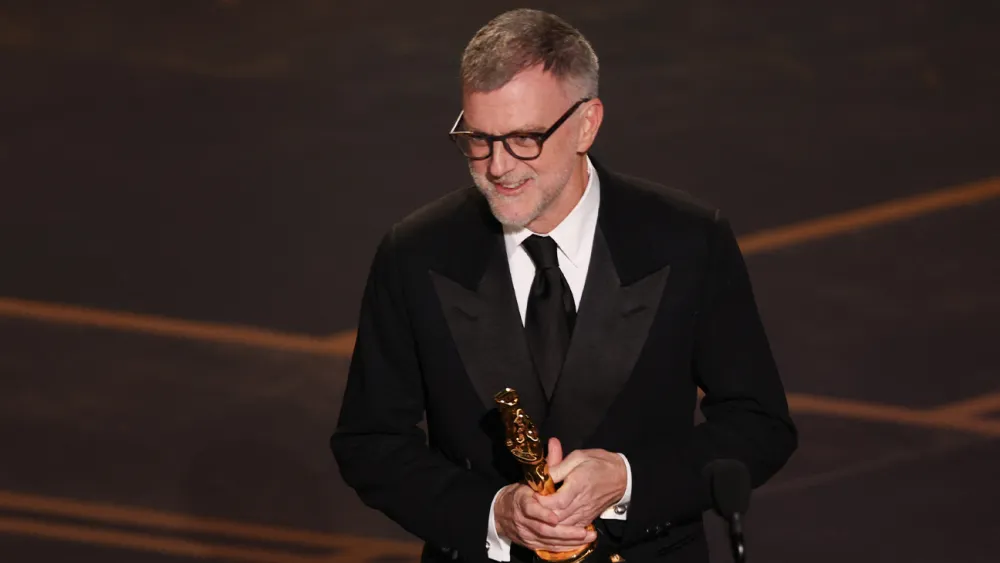
The Dolby Theatre recently bore witness to a moment of pure cinematic justice. After decades of shaping the landscape of modern American film, Paul Thomas Anderson (PTA) has officially secured the Academy Award for Best Director for his magnum opus, ‘One Battle After Another’.
Standing at the podium, clenching the gold statuette, Anderson’s words resonated with every aspiring creator in the room: “It takes a lot of effort to win an award like this.” This statement wasn’t just about the physical production of a film; it was a reflection on a career defined by uncompromising vision, technical obsession, and an unwavering dedication to the art of storytelling.
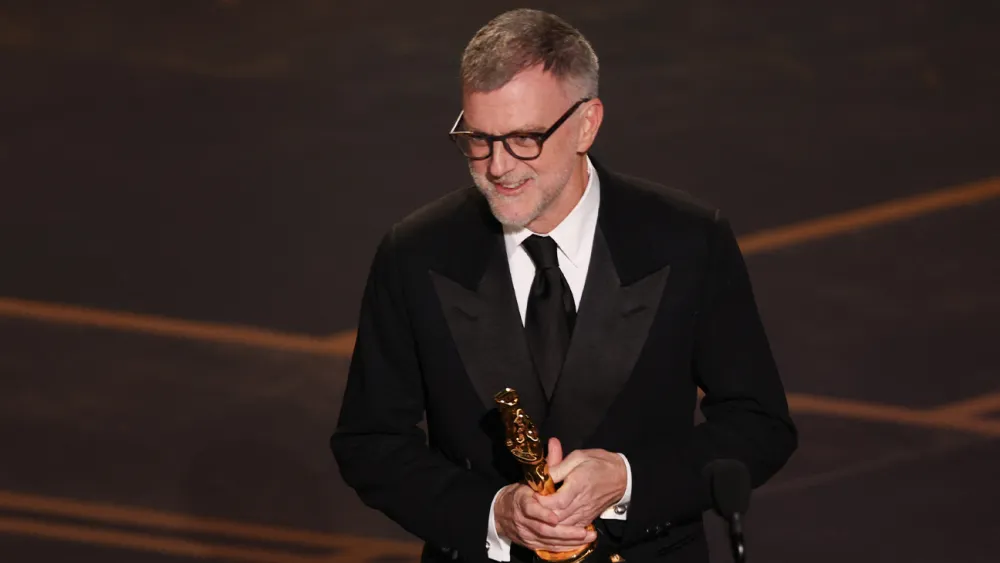
Paul Thomas Anderson at the 2026 Oscars. Patrick T. Fallon/AFP/Getty Images
For many film historians, Paul Thomas Anderson has long been considered one of the “greatest directors never to win an Oscar.” With previous masterpieces like There Will Be Blood, The Master, and Phantom Thread, PTA had already cemented his legacy. However, ‘One Battle After Another’ represents a culmination of his stylistic evolution.
The Prestige of the Academy Award
Winning Best Director is not merely about popularity; it is about peer recognition of technical mastery. For a website focusing on high-quality news and analysis, it is essential to note that PTA’s win signals a shift in the Academy’s appreciation for “pure cinema”—films that prioritize depth, character study, and intricate pacing over blockbuster spectacle.
The title itself serves as a metaphor for both the film’s plot and the grueling process of its creation. ‘One Battle After Another’ is an epic that explores the resilience of the human spirit through a series of interconnected historical conflicts—not just on the battlefield, but within the domestic and psychological spheres.
Themes of Resilience and Conflict
Anderson’s direction in this film is described as “surgical.” He dissects the anatomy of struggle, showing that victory is rarely a single moment of triumph but a continuous series of survived hardships. This thematic depth is exactly what Google’s algorithms look for when categorizing “high-quality, original analysis.”
Internal Struggles: The protagonist’s fight against their own limitations.
External Pressures: The crushing weight of societal expectations during wartime.
Cinematic Symbolism: How PTA uses light and shadow to represent hope and despair.

When Anderson mentioned the “effort” required, he was referring to the legendary rigor of his sets. Known for his preference for 35mm and 70mm film stock, PTA eschews the easy path of digital convenience for the rich, textured look of traditional celluloid.
The Technical Obsession
To achieve the hauntingly beautiful visuals of ‘One Battle After Another’, Anderson reportedly spent months on location scouting and lighting tests.
Practical Effects: Minimizing CGI to ensure every explosion and every tear felt visceral.
Sound Design: Collaborating with world-class composers to create a score that acts as a hidden character.
Collaborative Spirit: Working closely with his ensemble cast to pull out performances that feel raw and unscripted.
In line with the sentiments shared by other industry giants like Steven D. Binder, PTA’s success reinforces the importance of the theatrical experience. While streaming platforms have changed how we consume content, ‘One Battle After Another’ was designed for the big screen.
Defending the Traditional Release Model
Anderson has been a vocal proponent of cinemas. His Oscar win provides leverage for directors who want to maintain the “sanctity of the dark room.” For digital publishers, discussing the tension between “Theatrical vs. Streaming” is an excellent way to include high-traffic keywords while providing meaningful commentary.
Paul Thomas Anderson’s win for ‘One Battle After Another’ is more than a trophy on a shelf. It is a reminder that in an age of fast-paced, disposable content, there is still a massive audience—and a prestigious governing body—that craves substance.
As PTA moves forward into his next project, the industry will undoubtedly look to him as the gold standard of what can be achieved when “effort” is prioritized over “ease.”