 111
111 2
2 3
3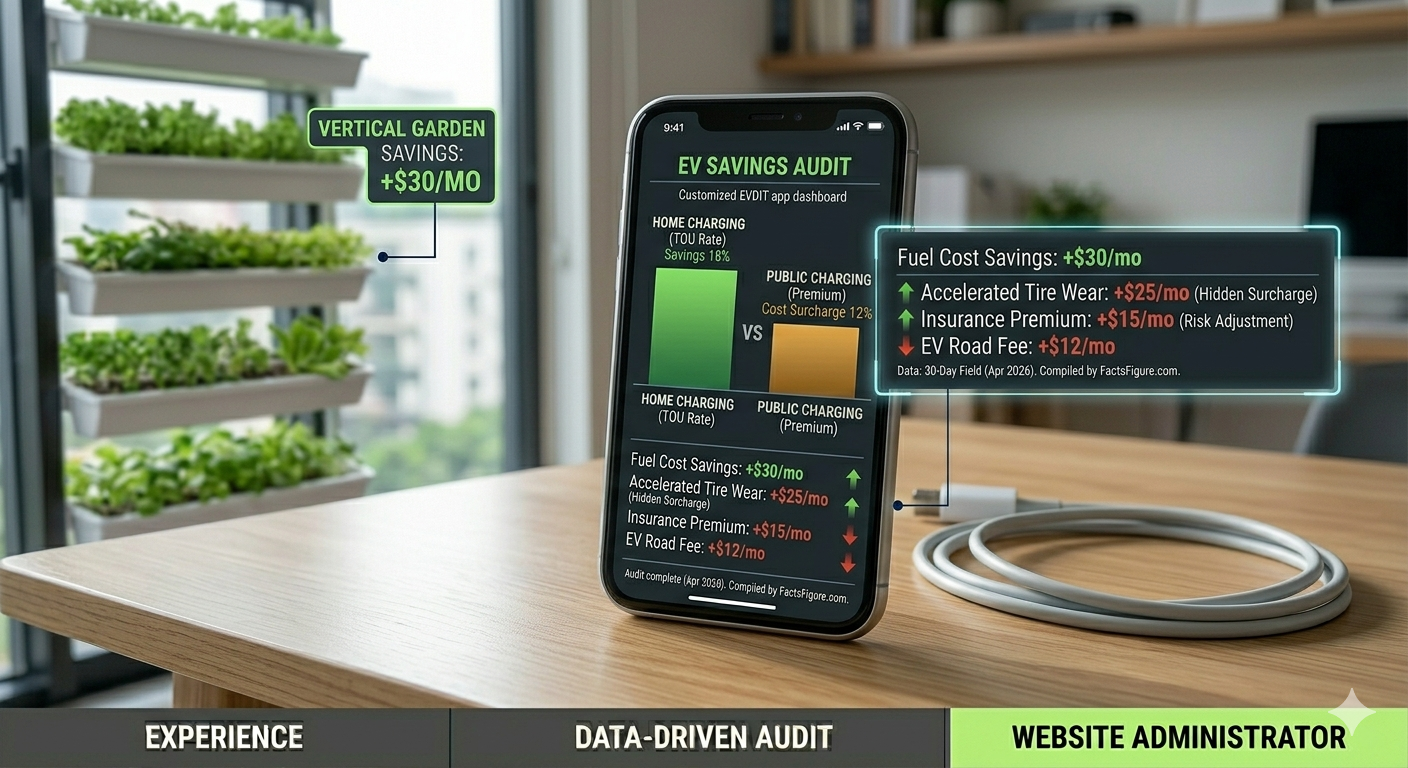
For years, the marketing around Electric Vehicles (EVs) was simple: higher upfront costs, but massive savings on “fuel.” However, as of April 2026, that equation has shifted. With residential electricity rates up significantly in many districts and the introduction of new “EV Road Usage Fees,” the “Savings Window” is no longer a given.
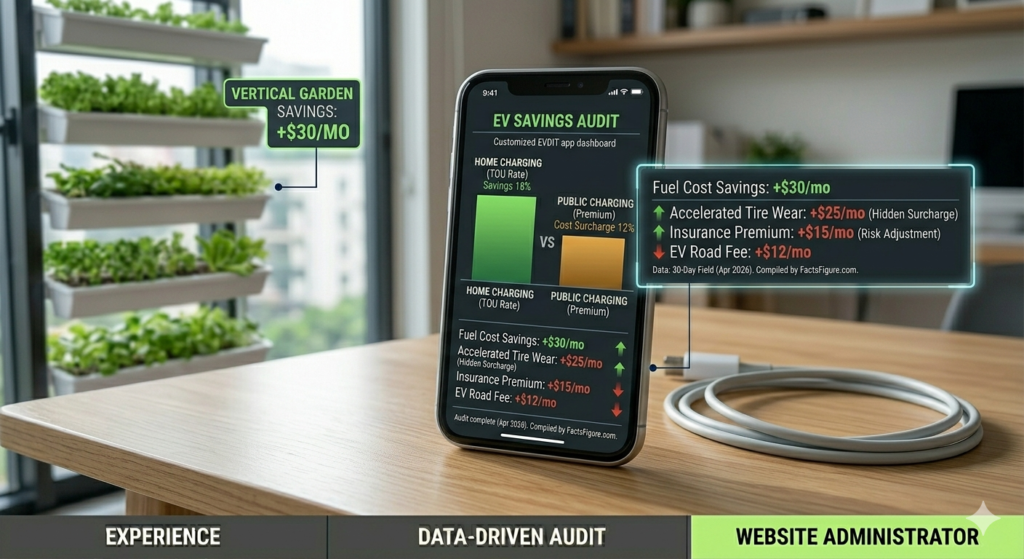
The first thing that hit me wasn’t the car payment—it was the utility portal. I expected my home electric bill to rise slightly, but the reality was a $78 jump in the first month.
During a weekend trip, I was forced to use a public Fast Charger (DCFC). This was the ultimate “reality check.”
One expense I didn’t see coming was the accelerated wear on my tires. Because EVs are significantly heavier due to their battery packs and have instant torque, they “eat” tires much faster than gas cars.
The final blow to my savings audit came at the DMV. Since I’m no longer paying gas taxes (which fund our roads), the state now charges a flat “EV Registration Surcharge” or a “Road Usage Fee.” In my district, this fee is collected upfront during registration. When I amortized that cost over 12 months, it added another “hidden” monthly expense that gas drivers simply don’t see in a single lump sum. In 2026, the government is ensuring that “going green” doesn’t mean “going tax-free.”
After 30 days of “auditing” every cent, I’ve reached a conclusion that might surprise you:
The EV is a “Financial Win” ONLY if you have a home charger, switch to a Time-of-Use electric plan, and drive more than 12,000 miles a year.
The EV is a “Financial Drain” if you rely on public charging, have high local electric rates, or drive low annual mileage where the higher insurance premiums (often 20% more for EVs) outweigh the fuel savings.
My Advice: Before you trade in your gas car, don’t look at the sticker price. Look at your last three electric bills and call your insurance agent for an “EV quote.” The “Electric Dream” only works if the math supports it.
Field Notes by: The LocalPaperDaily.com Editorial Team – Real-world experience, April 2026.