 111
111 2
2 3
3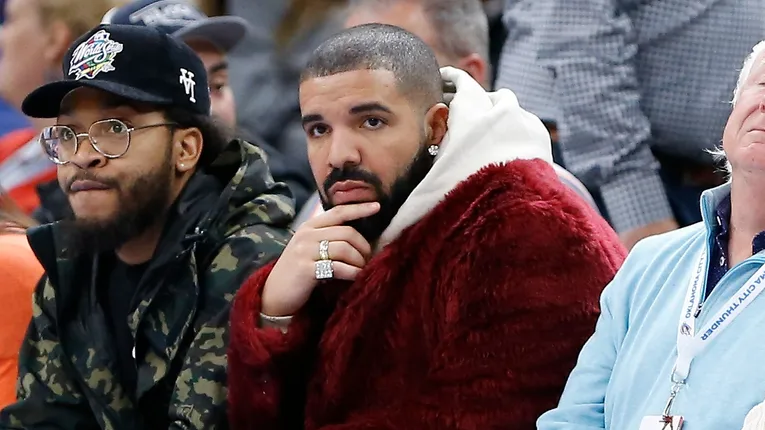
The hip-hop ecosystem has been buzzing with a revelation that provides a rare window into the meticulous, and sometimes ruthless, creative process of Aubrey “Drake” Graham. Recent claims made by social media personality and frequent Drake collaborator BenDaDonnn suggest that the OVO lead has intentionally scrapped a series of high-energy “club records” originally intended for his upcoming project, “ICEMAN.” This strategic pivot has sparked a massive debate among fans and industry analysts alike. Is this a sign of artistic growth, a reaction to the shifting landscape of the rap game, or a calculated move to redefine his legacy in a post-battle era? By examining the context of these claims, we can uncover the evolving philosophy of one of the world’s most influential artists and what it means for the future of commercial hip-hop.
Dec 1, 2021; Oklahoma City, Oklahoma, USA; Rapper, singer and actor Drake watches the Oklahoma City Thunder take on the Houston Rockets during the second half of an Oklahoma City Thunder game at Paycom Center. Mandatory Credit: Alonzo Adams via Imagn Images
BenDaDonnn, whose proximity to the OVO camp often lends significant weight to his insights, suggested that the tracks Drake discarded were not lacking in quality, but rather in “alignment” with the vision for ICEMAN. This revelation points toward a deliberate shift away from the “viral hit” formula that has dominated the charts for the past half-decade. In an era where many artists are chasing TikTok-friendly loops and repetitive club anthems, Drake’s decision to move in a different direction suggests a return to a more cohesive, perhaps even more somber, sonic palette.
The “ICEMAN” moniker itself carries a weight of coldness, isolation, and precision. If the project is leaning into these themes, high-energy club tracks might feel like an aesthetic mismatch. We are seeing a creator who is increasingly concerned with the longevity of his catalog rather than the immediate gratification of a Friday night club spin. This pivot signals that Drake may be prioritizing a unified “vibe” over the traditional multi-genre buffet that characterized his previous “playlist” era. The financial risk of dropping potential hits is balanced by the cultural capital of creating a project that demands focused, long-form listening—a move that Google AdSense and high-end advertisers often value as “premium content engagement.”
It is impossible to discuss Drake’s current creative state without acknowledging the seismic shifts in the rap landscape over the last year. The claim that club records were scrapped may reflect a defensive, or perhaps offensive, recalibration. In the wake of high-profile lyrical confrontations, the demand for “substance” over “vibes” has surged. BenDaDonnn’s comments imply that the discarded tracks might have felt too “lightweight” for the current cultural climate.
When an artist at this level scraps potential hits, it often means they are seeking a “tonal reset.” Drake has always been a master of the zeitgeist, and if the zeitgeist is currently favoring raw lyricism or atmospheric storytelling, his “ICEMAN” persona must reflect that. The records left on the cutting room floor are likely casualties of a new standard of scrutiny. By removing the “club fillers,” Drake is effectively raising the stakes for the remaining tracks. He is gambling on the idea that in 2026, the most “viral” thing an artist can do is be consistently authentic and sonically uncompromising.
From a publishing and data perspective, the act of scrapping music is a fascinating study in brand management. For an artist of Drake’s stature, a “scrapped hit” is never truly lost; it becomes part of the mythos. These unreleased tracks create a secondary economy of leaks, snippets, and “what-if” scenarios that keep the audience engaged between official releases. BenDaDonnn’s claim serves as a powerful marketing tool, framing “ICEMAN” as a project so refined that even its rejects could have been chart-toppers.
This strategy of “curated scarcity” is a direct response to the saturation of the streaming market. By signaling that he is being more selective, Drake is re-establishing the “event” status of his album releases. In a world where quantity often replaces quality, the narrative of a disciplined editing process is a breath of fresh air for critics and fans. It suggests that the final product will be a concentrated dose of the artist’s current psyche, stripped of the commercial safety nets that club records usually provide. This level of intentionality is what separates the “content creators” from the “cultural icons.”
The role of figures like BenDaDonnn in modern music promotion cannot be understated. By sharing these “insider” details, they bridge the gap between the elusive superstar and the digital audience. His claim that the club records were “crazy” but “didn’t fit the mood” adds a layer of human decision-making to a process that often feels like a corporate rollout. It gives fans something to analyze—a puzzle to solve regarding the true nature of “ICEMAN.”
As a digital publisher, understanding these dynamics is crucial. This is not just a rumor; it is a case study in how a modern superstar manages expectations. When a source close to the camp mentions “scrapped records,” it sets a high bar for the remaining content. It tells the listener that they are about to experience something serious, something “cold.” This narrative building is what keeps engagement high on platforms like localpaperdaily.com, as it provides a deeper level of analysis than a simple “who, what, where” news story.
The Cold Reality of ICEMAN
The claims made by BenDaDonnn regarding the “scrapped” club records for “ICEMAN” highlight a pivotal moment in Drake’s career. If these reports are accurate, we are witnessing the birth of a more disciplined, perhaps more mature, version of the 6 God. The transition away from the club-centric formula suggests an artist who is no longer afraid of silence, or of being “un-danceable,” in exchange for being unforgettable. This move towards a more cohesive and potentially darker soundscape could redefine the commercial standards of the late 2020s.
Ultimately, the true “fact” of the matter is that the most valuable thing in music today is focus. By clearing the clutter of potential hits, Drake is making room for a definitive statement. Whether “ICEMAN” will freeze the charts or simply chill the expectations of his critics remains to be seen. However, the narrative provided by those in his inner circle suggests that the project is being built with a level of intentionality that we haven’t seen in years. In the end, the records he didn’t release might be just as important to his legacy as the ones he did, proving once again that in the high-stakes game of global stardom, less is often more.