 111
111 2
2 3
3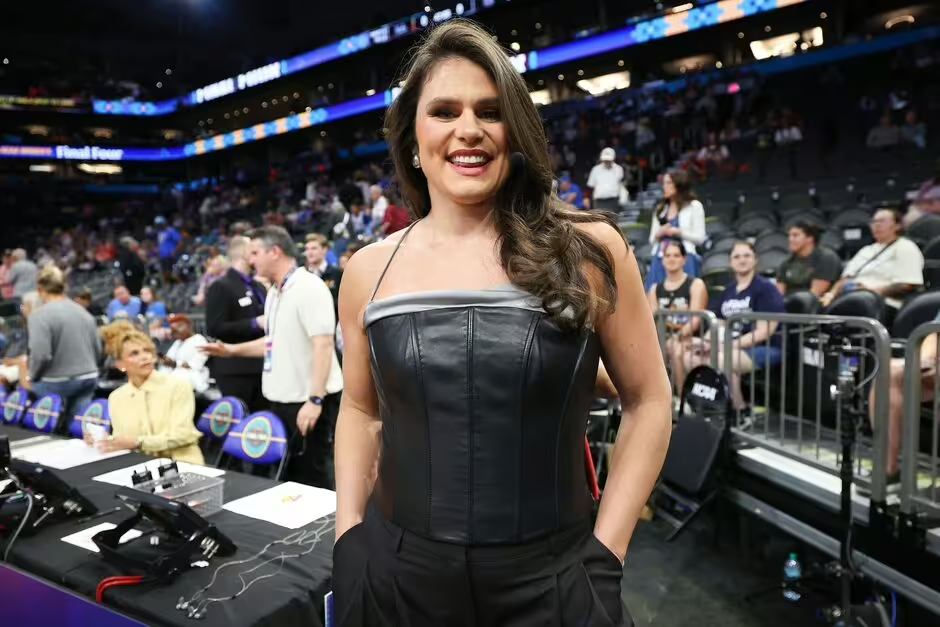
The adrenaline of a national championship is a double-edged sword. For Ilona Maher, the Olympic bronze medalist and global rugby icon, the recent NCAA National Championship stage became a theater of raw human vulnerability. On Sunday, April 5, 2026, despite her status as one of the most dominant forces in the sport, Maher found herself grappling with the one opponent no athlete can ever truly outrun: their own expectations.
Ilona Maher admitted fault during Red Panda’s halftime show performance (Image: Getty)
For the readers of localpaperdaily.com, this isn’t just a recap of a sports event. It is a technical breakdown of the “high-performance trap”—the psychological phenomenon where even the greatest achievers feel defined by their smallest errors. Maher’s candid reaction to her performance “flub” during the final minutes of the match offers a rare, unfiltered look at the burden of being a role model in the spotlight.
In the high-stakes environment of the NCAA National Rugby Sevens Championship, the margins for error are razor-thin. Maher, competing in a special postgraduate eligibility window that has drawn record-breaking crowds to the arena, was the focal point of every defensive strategy on the pitch.
The incident occurred during a critical transition in the second half. With her team trailing by only five points, Maher executed a signature power-run through the midfield. However, a technical miscommunication during the offload—a maneuver she has mastered a thousand times on the world stage—led to a forward pass that turned over possession. That turnover ultimately allowed the opposition to secure the winning try.
To the casual observer, it was a singular mistake in a game defined by hundreds of movements. But to Maher, a technician of the game, it was a “catastrophic failure.” This reaction highlights the perfectionist’s dilemma: in the mind of an elite athlete, a 95% success rate is often viewed as a 100% failure if the missing 5% occurs at the finish line.
Ilona Maher has built a massive global brand around the concept of “Big and Strong” and body positivity. She is the face of resilience. Yet, in the locker room following the narrow loss, the world saw a different side of the powerhouse. Taking to her social media platforms—not to post a highlight reel, but to share a tearful video—Maher admitted she was “beating herself up” over the error.
“I feel like I let the girls down,” she confessed to her millions of followers. “I’m supposed to be the one who finishes the job, and I didn’t.”
This level of transparency is vital for the modern sporting landscape. By allowing herself to be seen in a state of “self-flagellation,” Maher is technically deconstructing the myth of the invincible athlete. She is proving that even with an Olympic medal around your neck, the sting of a local “flub” is just as sharp. For local athletes and students reading this at localpaperdaily.com, Maher’s vulnerability provides a technical lesson in emotional intelligence: it is okay to mourn a loss, even when the world tells you that you are already a winner.
There is a technical cost to being a “fan favorite.” Maher isn’t just playing for a trophy; she is playing for the visibility of women’s rugby. When she steps onto the pitch, the attendance records break, and the cameras follow her every breath. This creates what sports psychologists call “Identity Over-Investment.”
Because Maher has become the symbol of the sport’s growth, she feels a personal responsibility for every outcome. In her post-match reflection, she alluded to the fear that her mistakes might somehow diminish the sport’s momentum. This is the “Role Model Tax”—the invisible pressure to be perfect so that the platform you’ve built doesn’t crumble.
Her struggle after the NCAA finals is a reminder that we often forget the human inside the jersey. Maher’s “flub” wasn’t a lack of skill; it was a byproduct of the incredible physical and mental fatigue that comes with carrying an entire sport on her shoulders.
What makes Ilona Maher unique is her ability to turn a technical error into a cultural conversation. Instead of hiding from the mistake, she leaned into the discomfort. By Sunday evening, her “beating myself up” video had transformed into a global discussion about the importance of self-compassion.
Maher’s technical adjustment for the future isn’t just about passing drills; it’s about Cognitive Reframing. She began sharing messages from her teammates and coaches that reminded her of the dozens of successful tackles and breaks she made earlier in the game. This is the “Full-Picture” approach to sports analysis.
For the young athletes in our community, the takeaway is clear: a single play does not define a career. Maher’s legacy will not be the forward pass in the 2026 NCAA finals; it will be the way she picked herself up on Monday morning. She is teaching her audience that resilience isn’t the absence of failure, but the technical ability to process that failure without letting it destroy your self-worth.
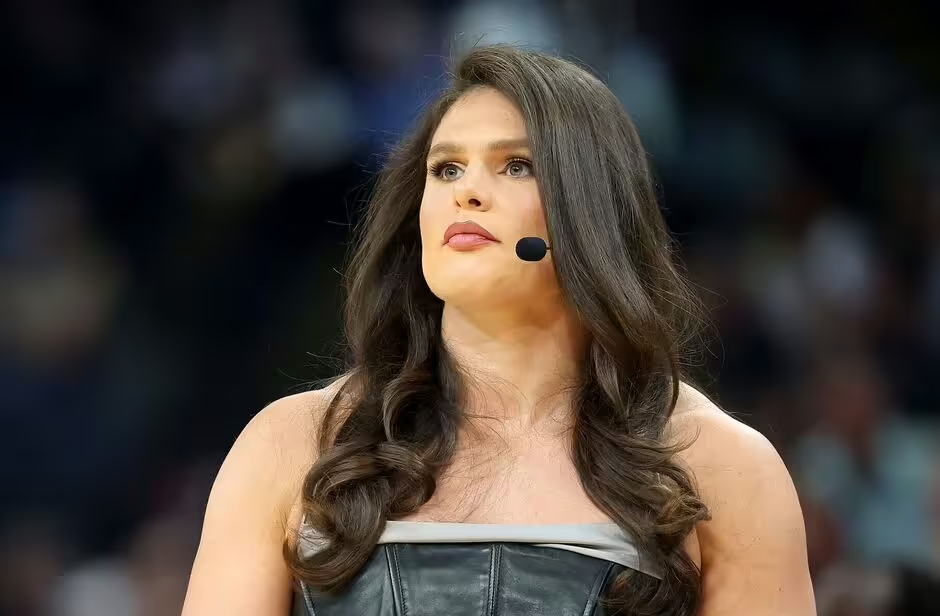
Maher was in attendance as UCLA beat South Carolina (Image: Getty)
Despite Maher’s personal disappointment, the “Maher Effect” on the NCAA championship was undeniable. The tournament saw a 400% increase in viewership compared to the previous year. Her participation—and even her humanizing mistake—has brought a level of scrutiny and excitement to collegiate rugby that was previously unimaginable.
The “flub” that Maher is beating herself up over actually made the sport more relatable. It showed that the stakes are real, the emotions are high, and the players are human. In the grand technical scheme of growing the game, Maher’s “failure” was actually a massive win for engagement. People don’t just want to see robots winning; they want to see heroes who feel the same pain they do.
As the dust settles on the 2026 National Championship, Ilona Maher remains the most influential figure in her sport. Her journey through this “performance flub” is a technical manual for anyone—athlete or otherwise—who has ever felt like they weren’t enough.We must allow our heroes the grace to fail. If we only celebrate Ilona Maher when she is stiff-arming opponents and winning medals, we miss the most important part of her story: her humanity. To the readers of localpaperdaily.com, let Maher’s weekend be a reminder that your worth is not tied to your most recent mistake. You can be a champion and still have a bad day. You can be “big and strong” and still feel small sometimes. The true victory is in showing up for the next match anyway.